Built to dig
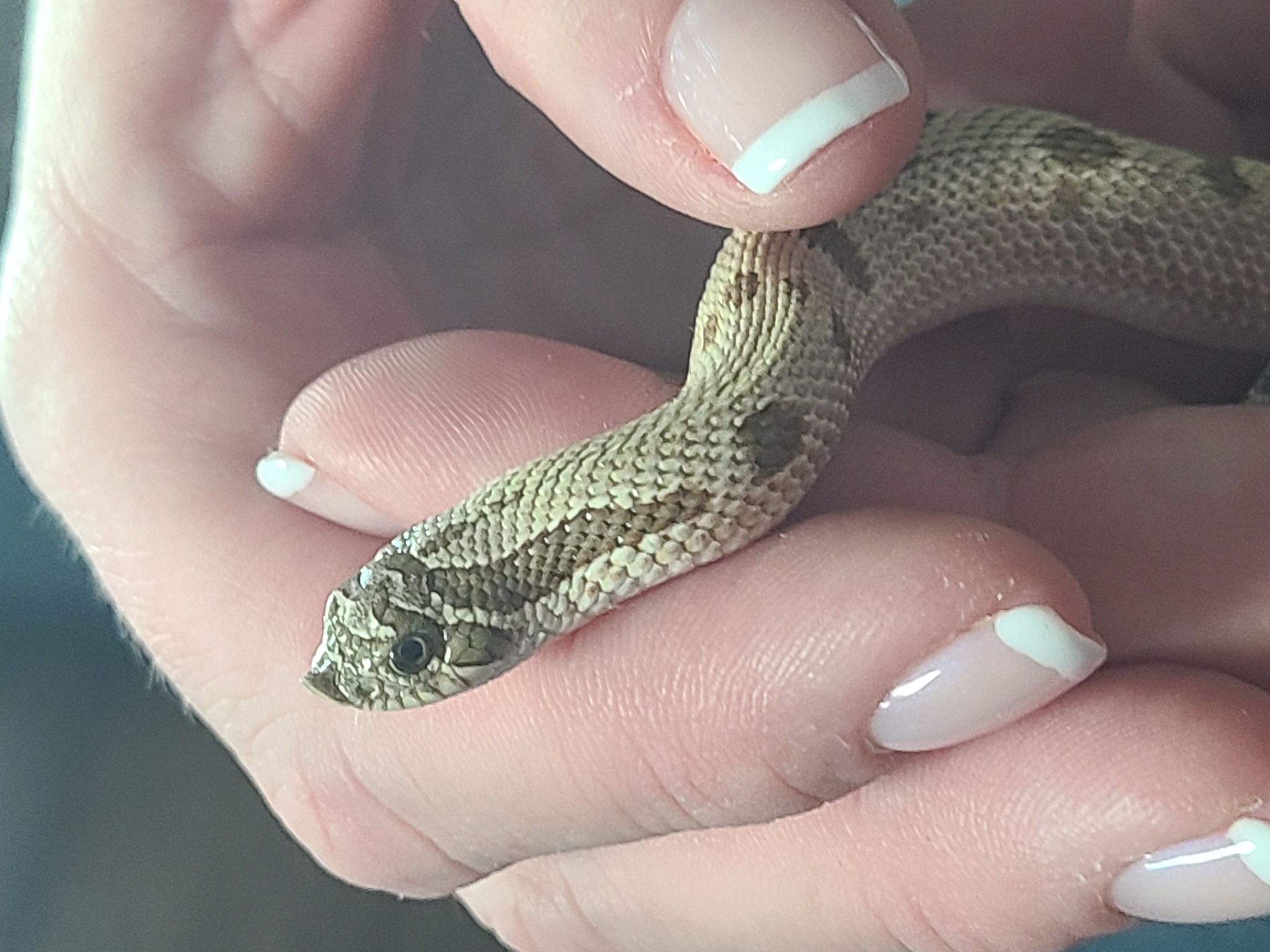
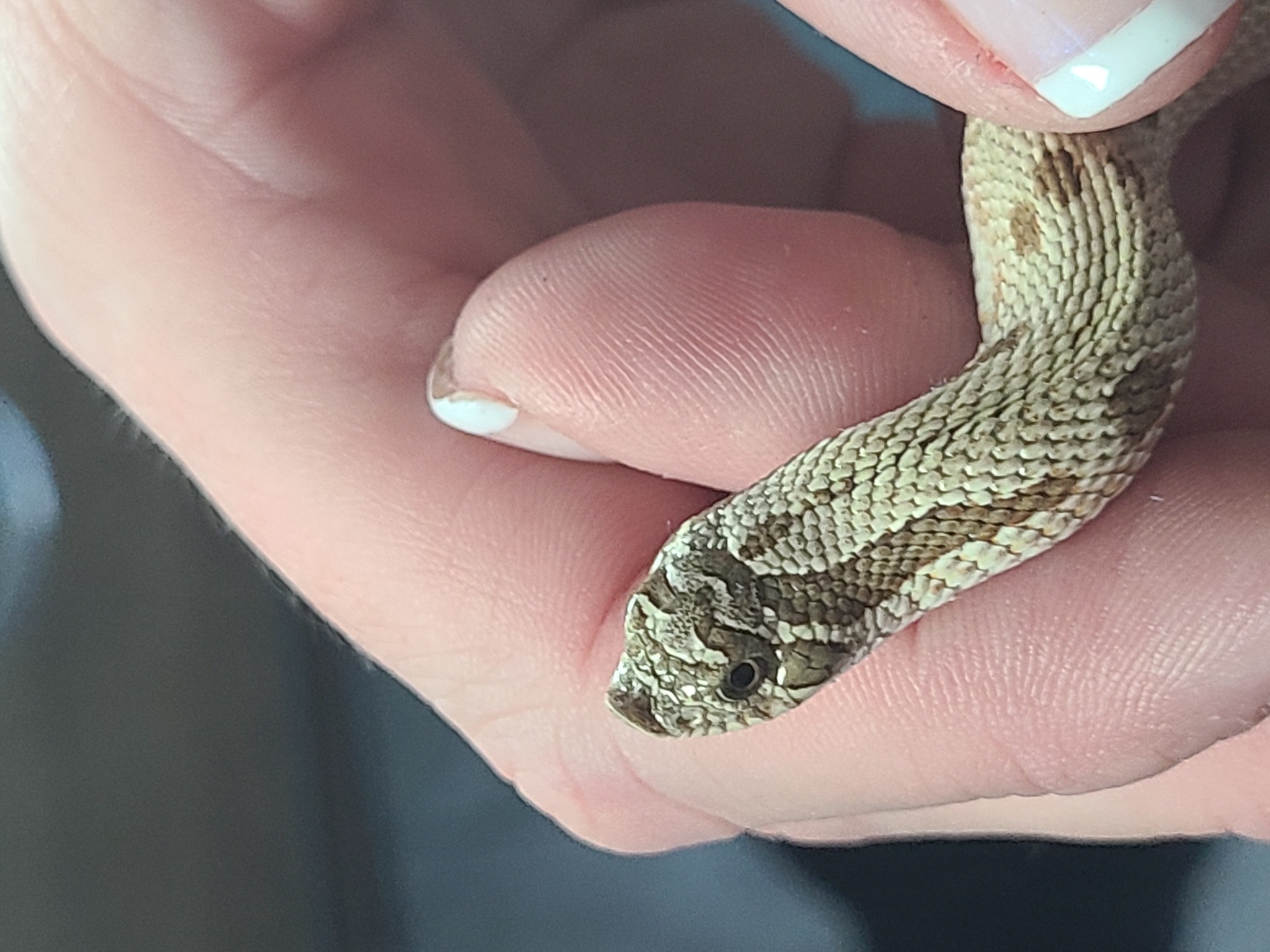
That famous upturned snout acts like a tiny shovel, helping hognoses move through loose soil and leaf litter.
Western hognose · family legend
Small snake. Upturned nose. Enormous personality.
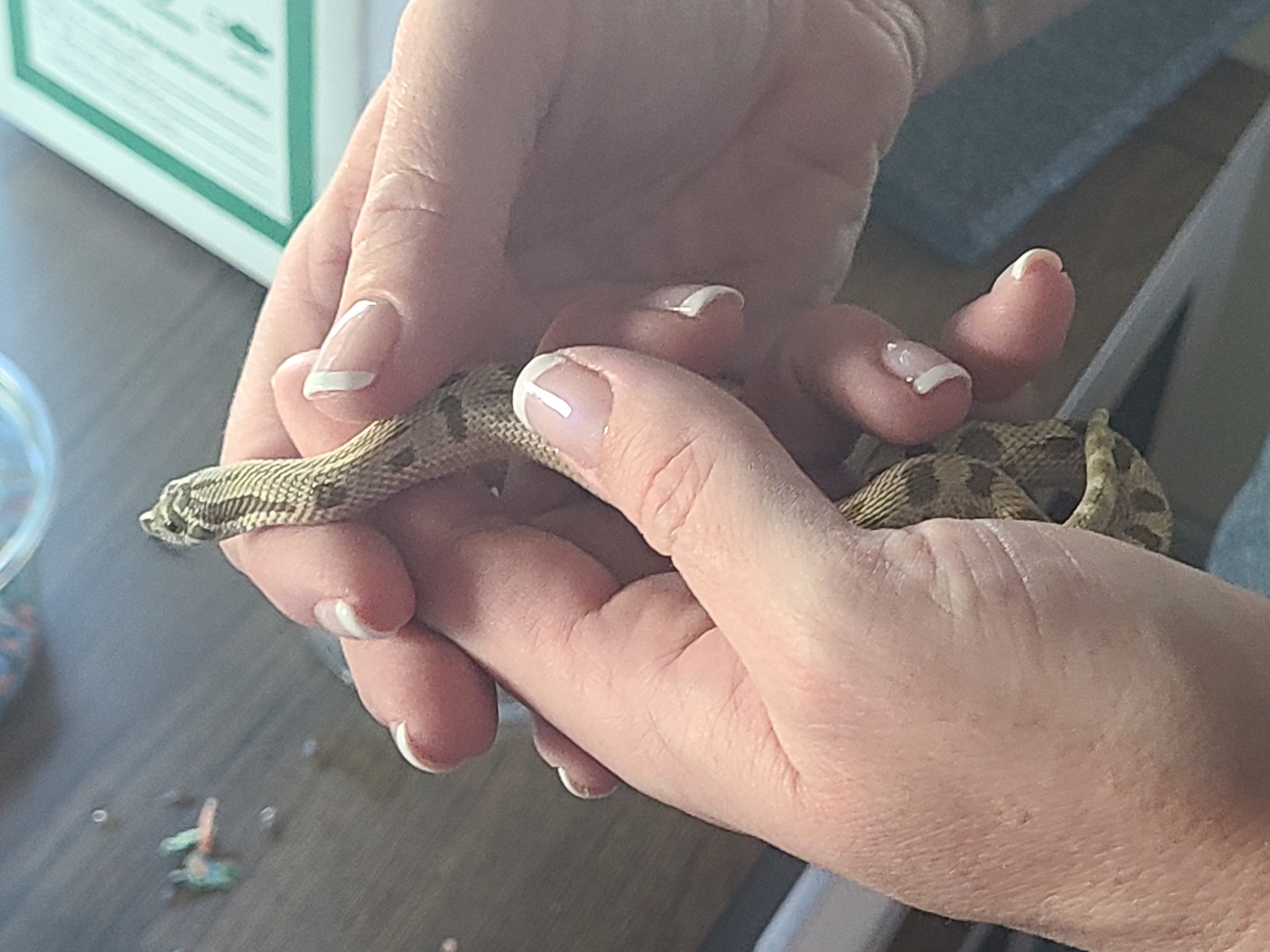
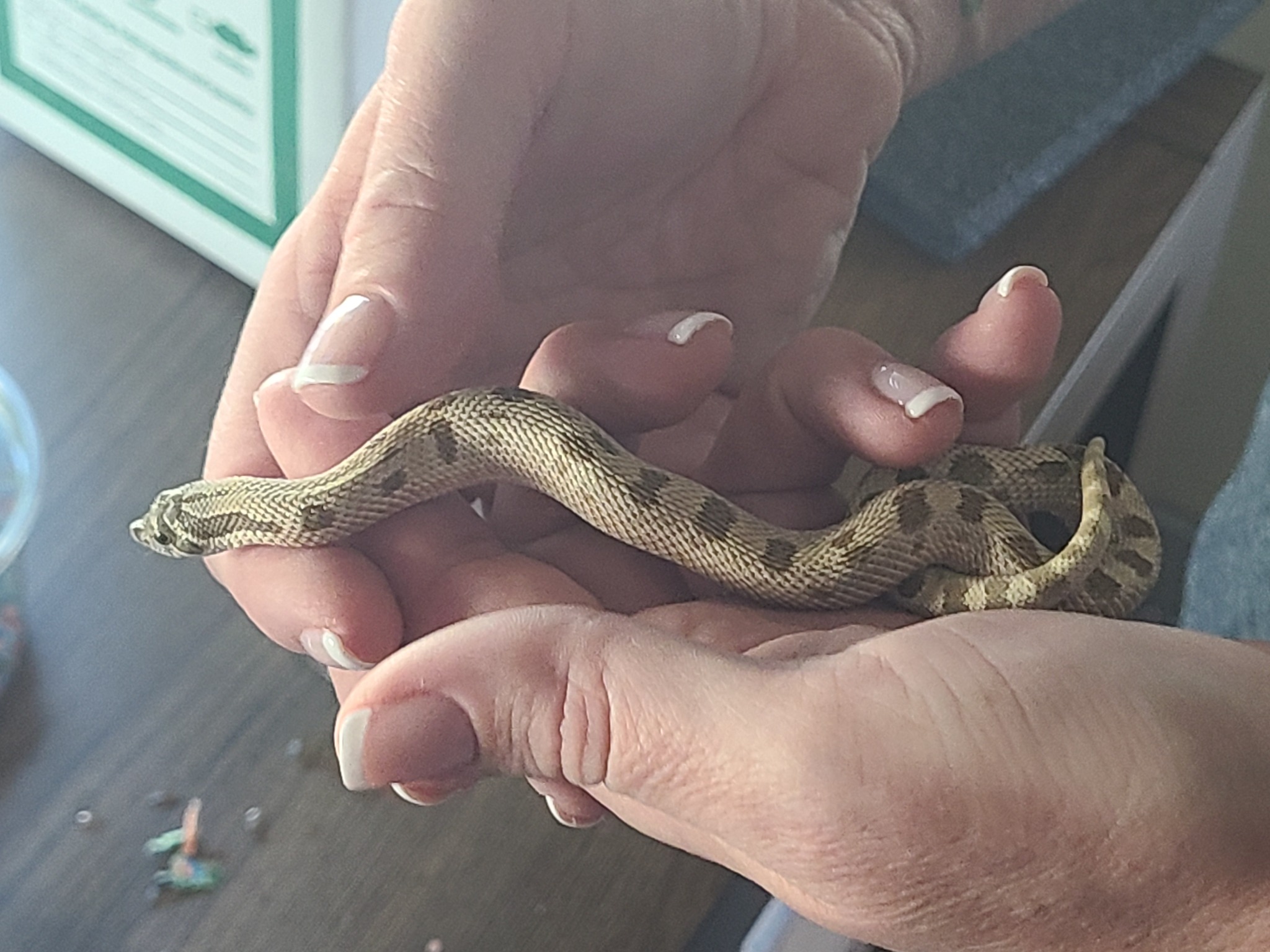
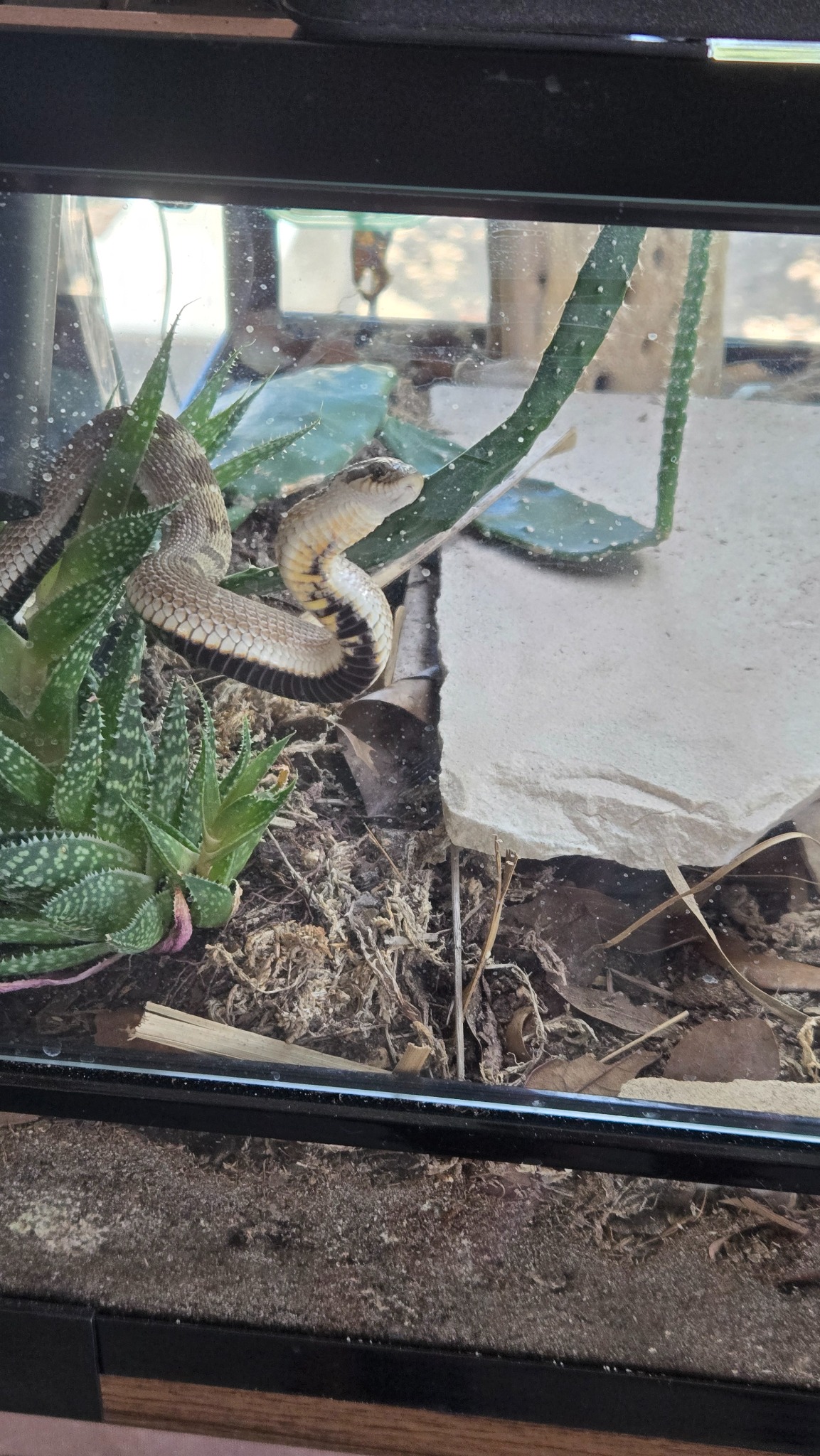
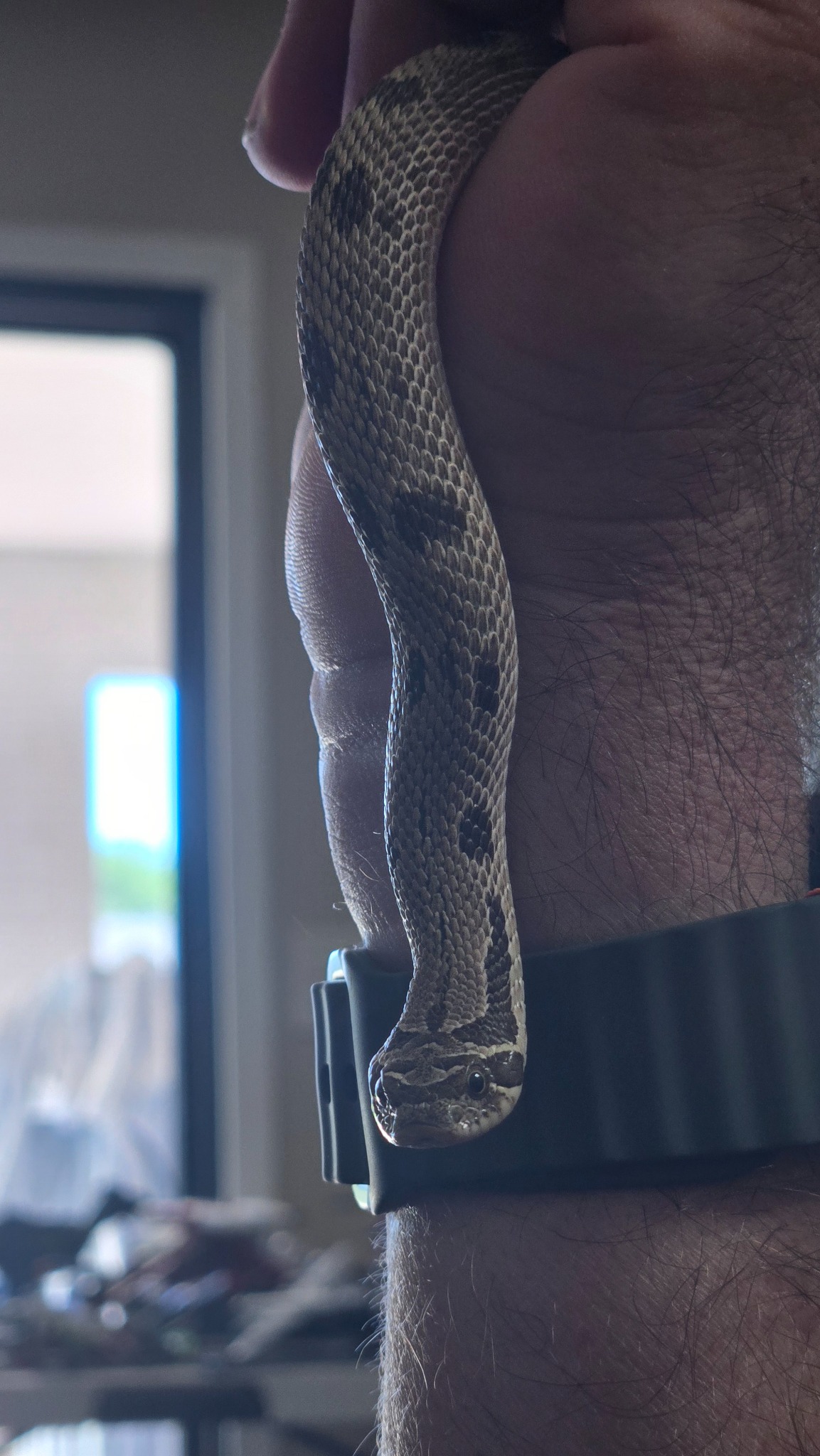
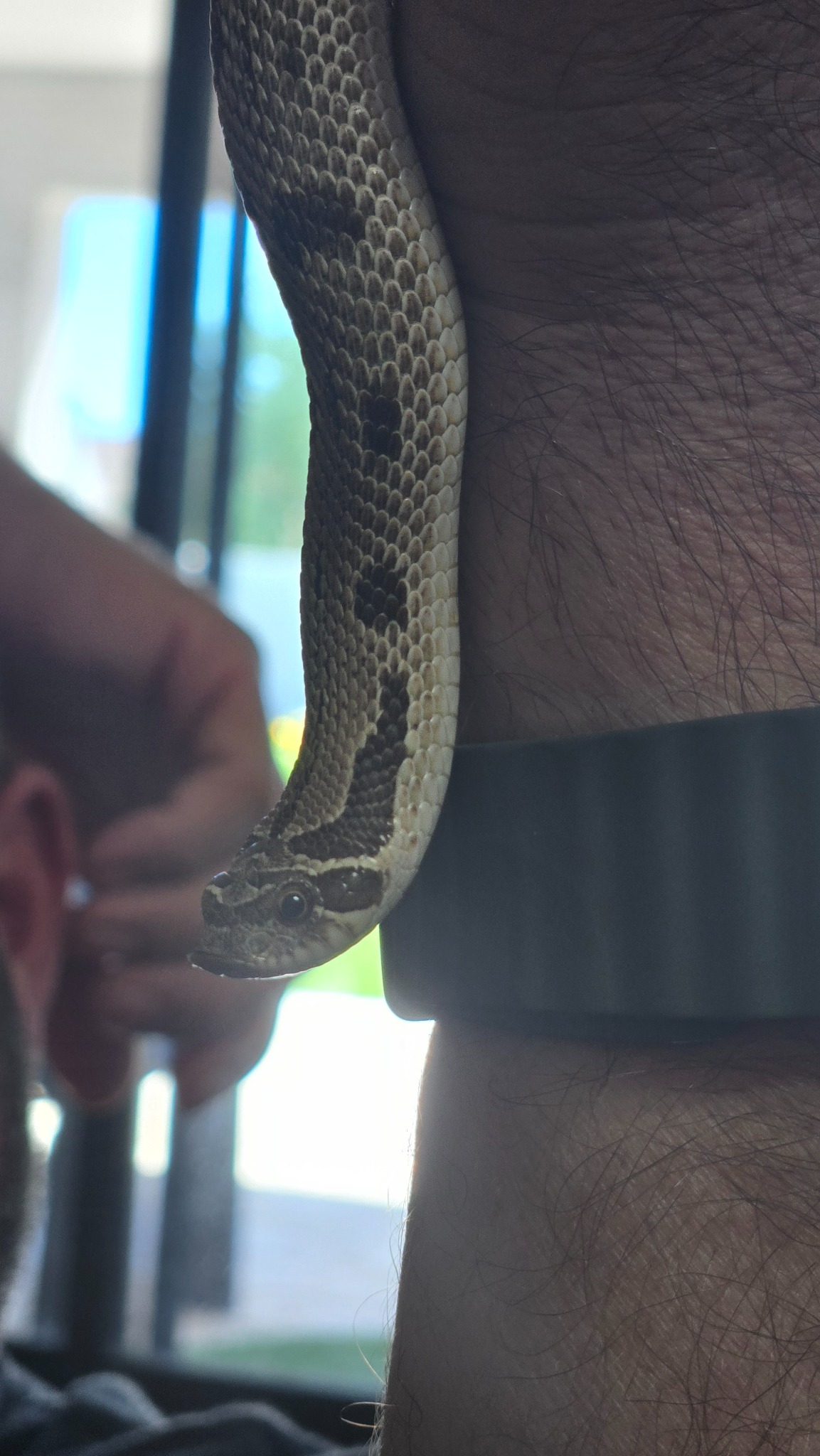
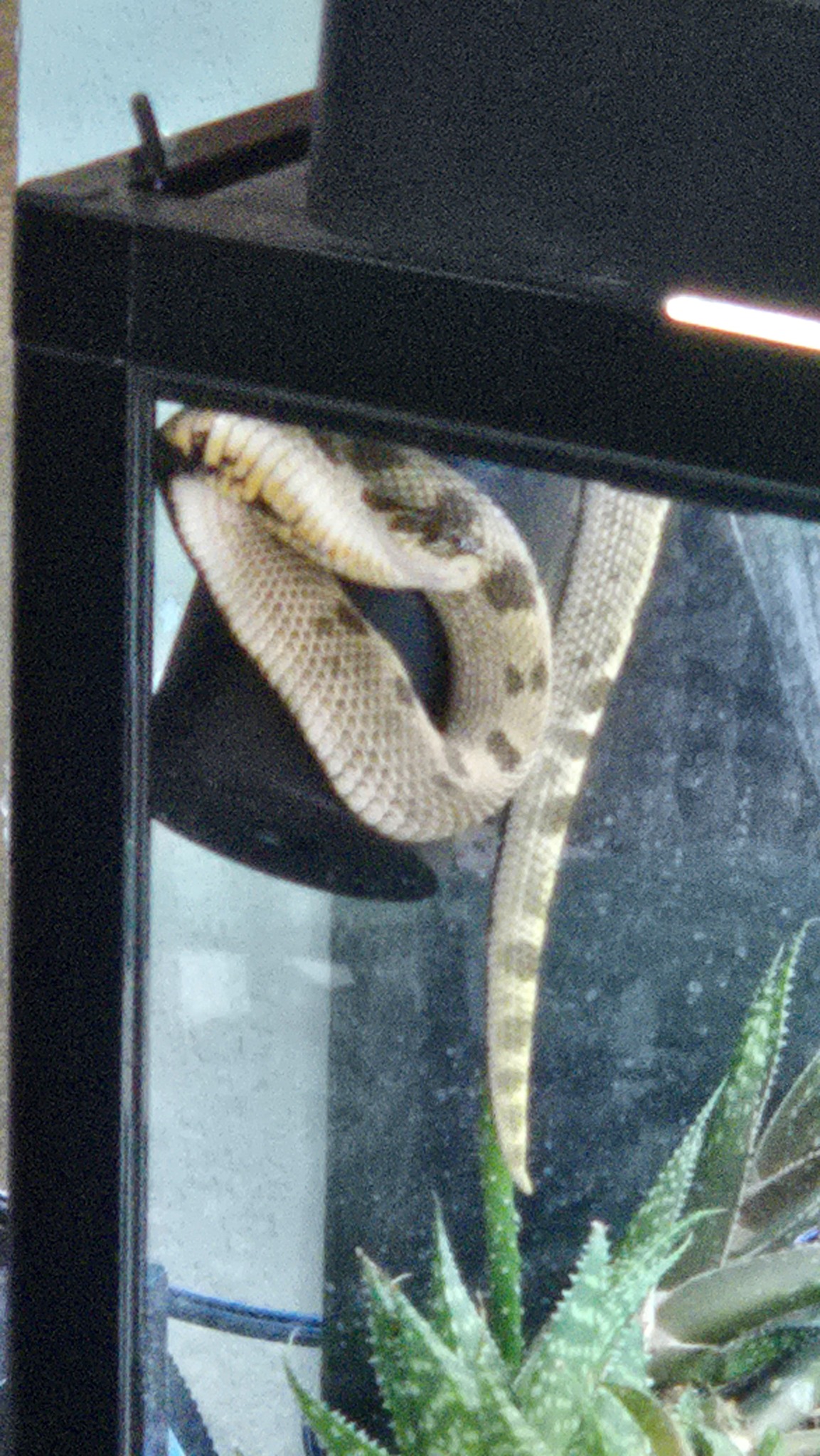
Meet the gentleman ↓Koki at home · family photograph
The snake behind the name
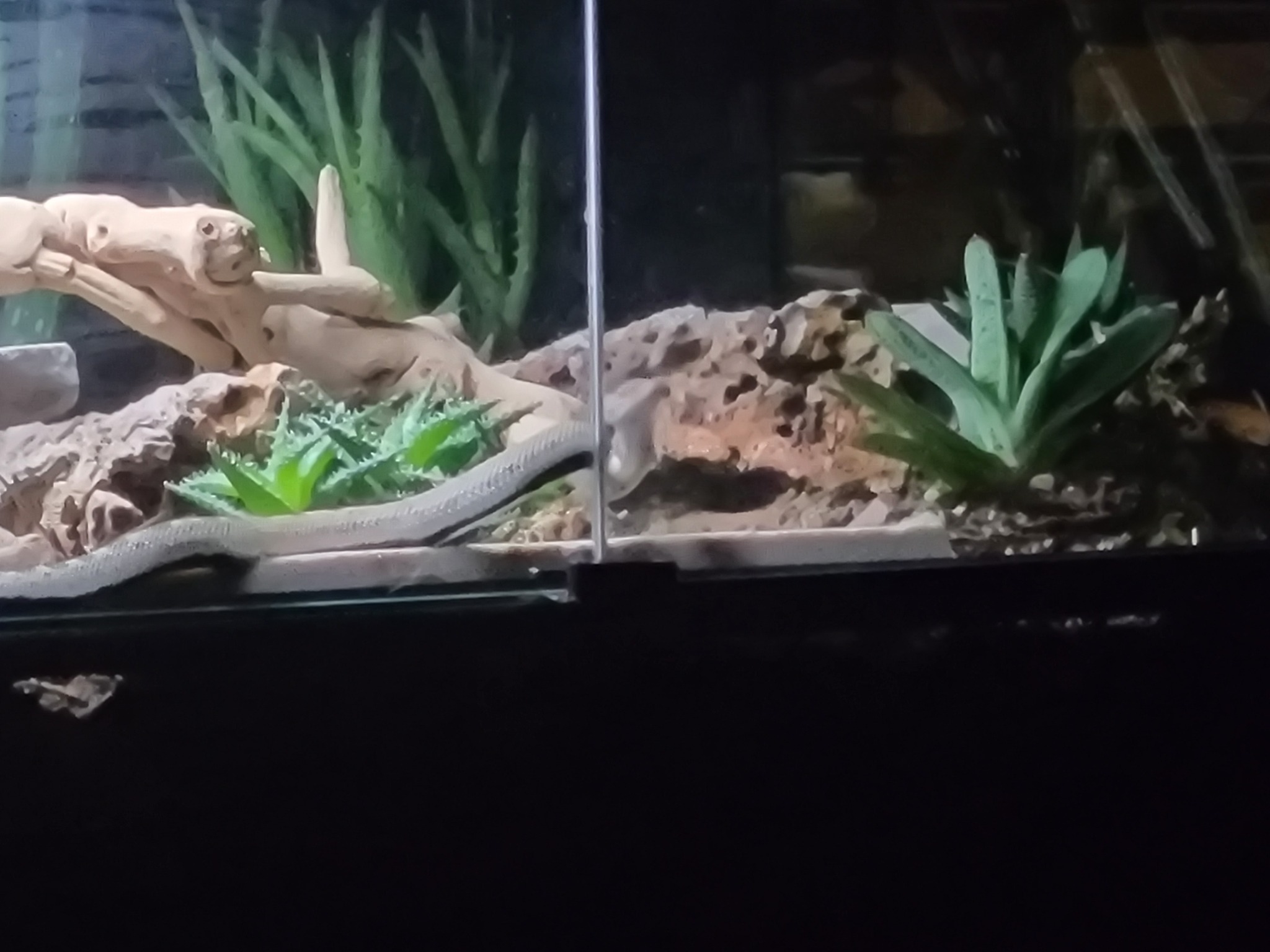
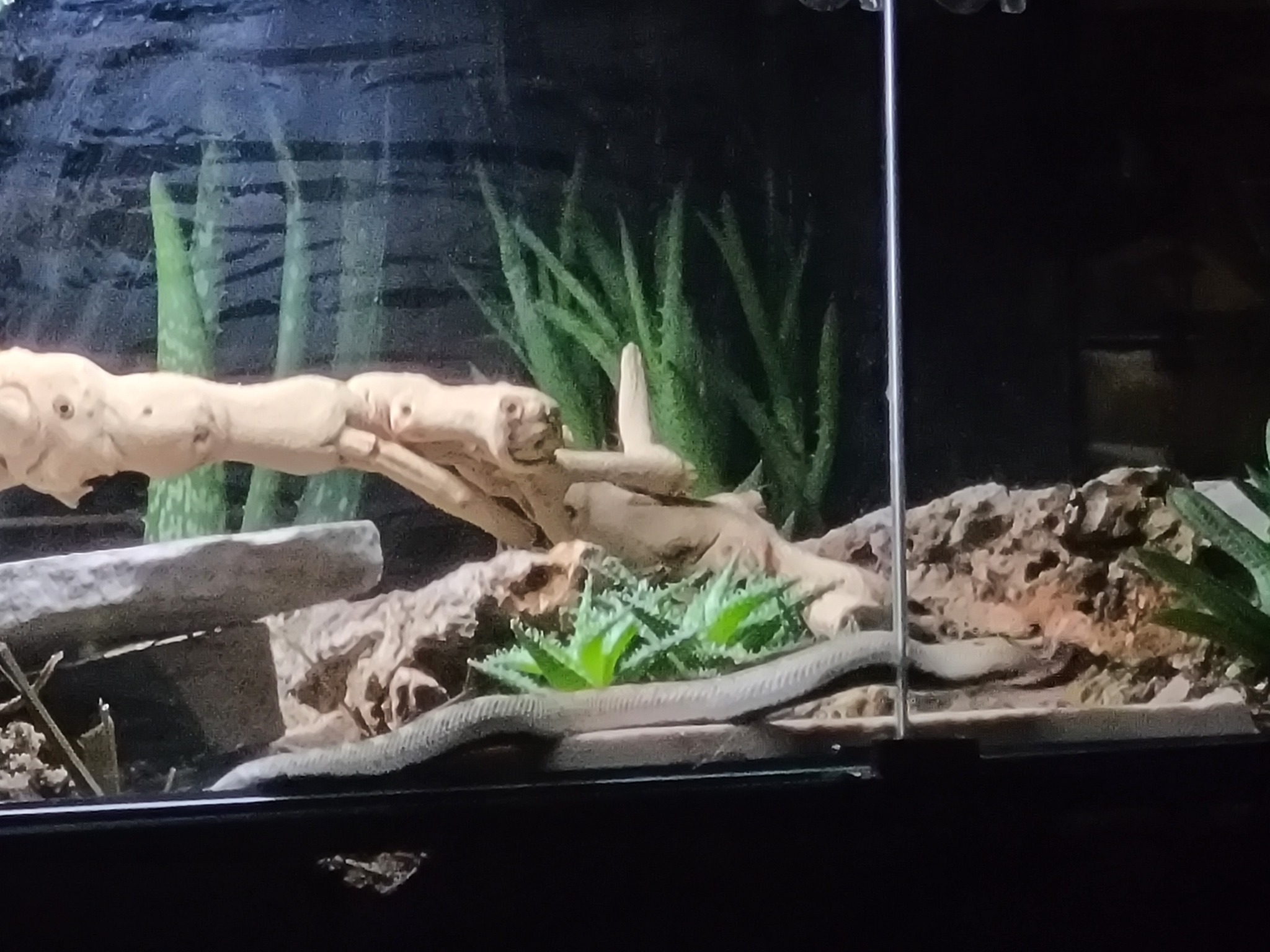
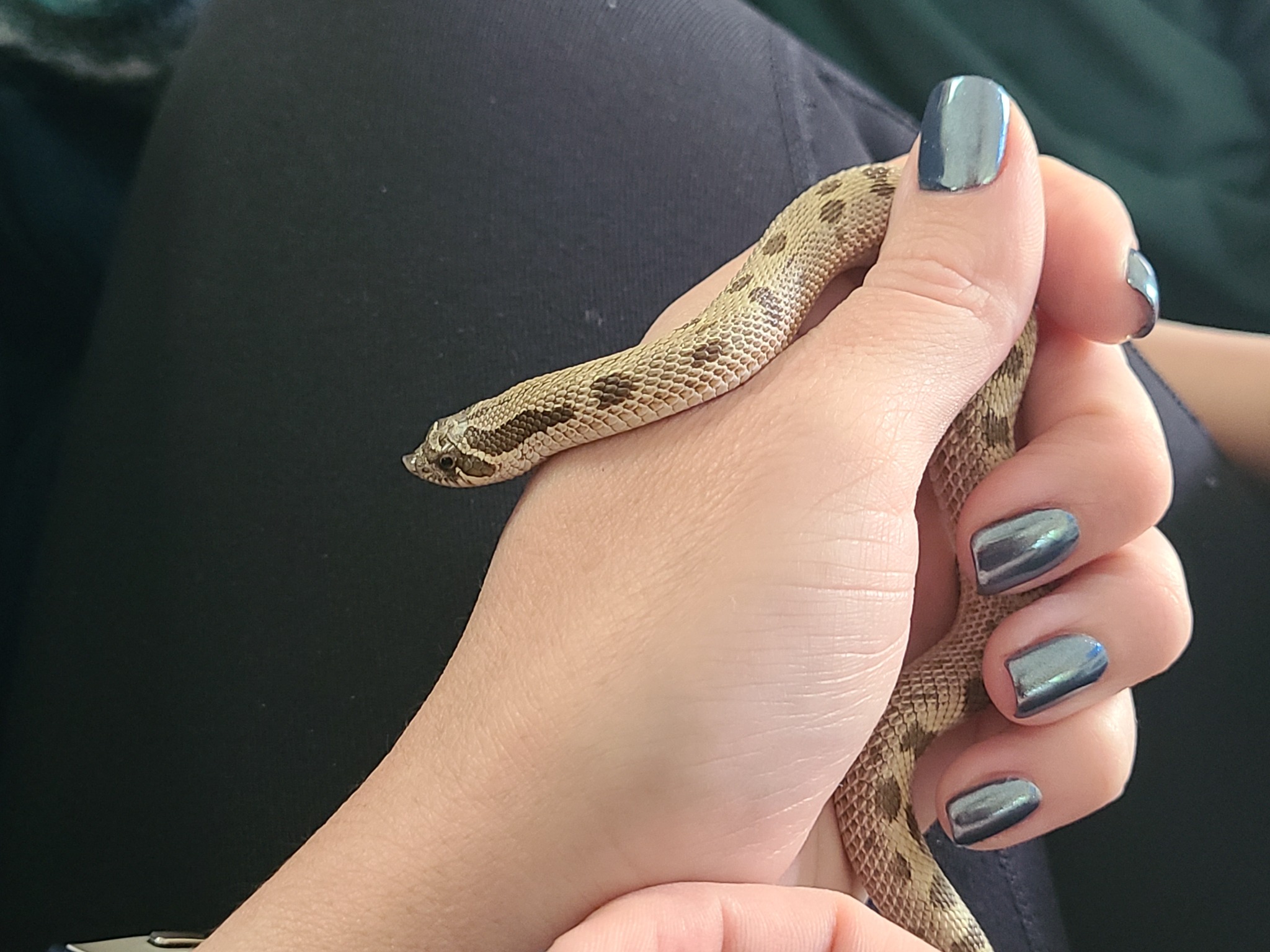
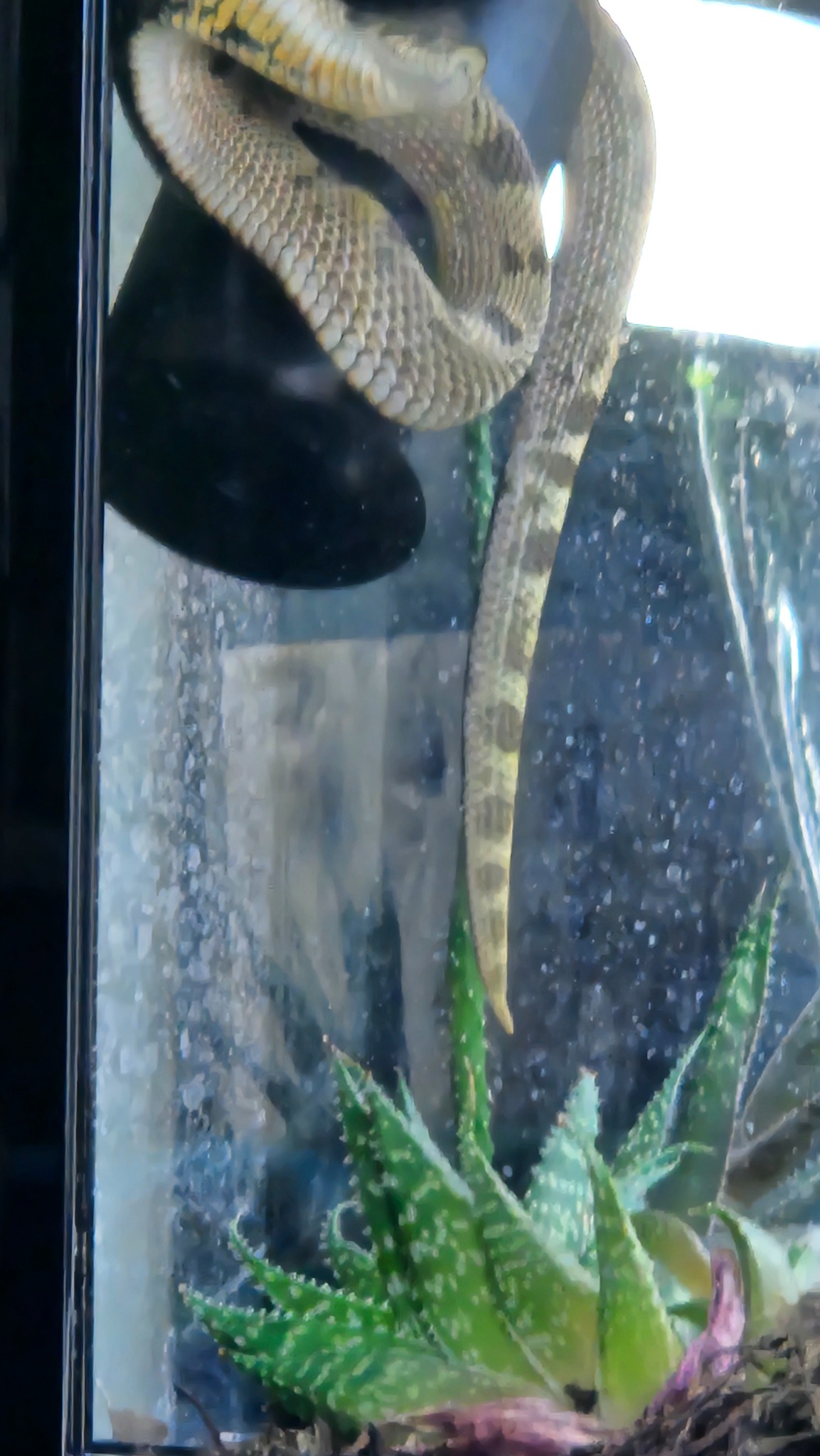
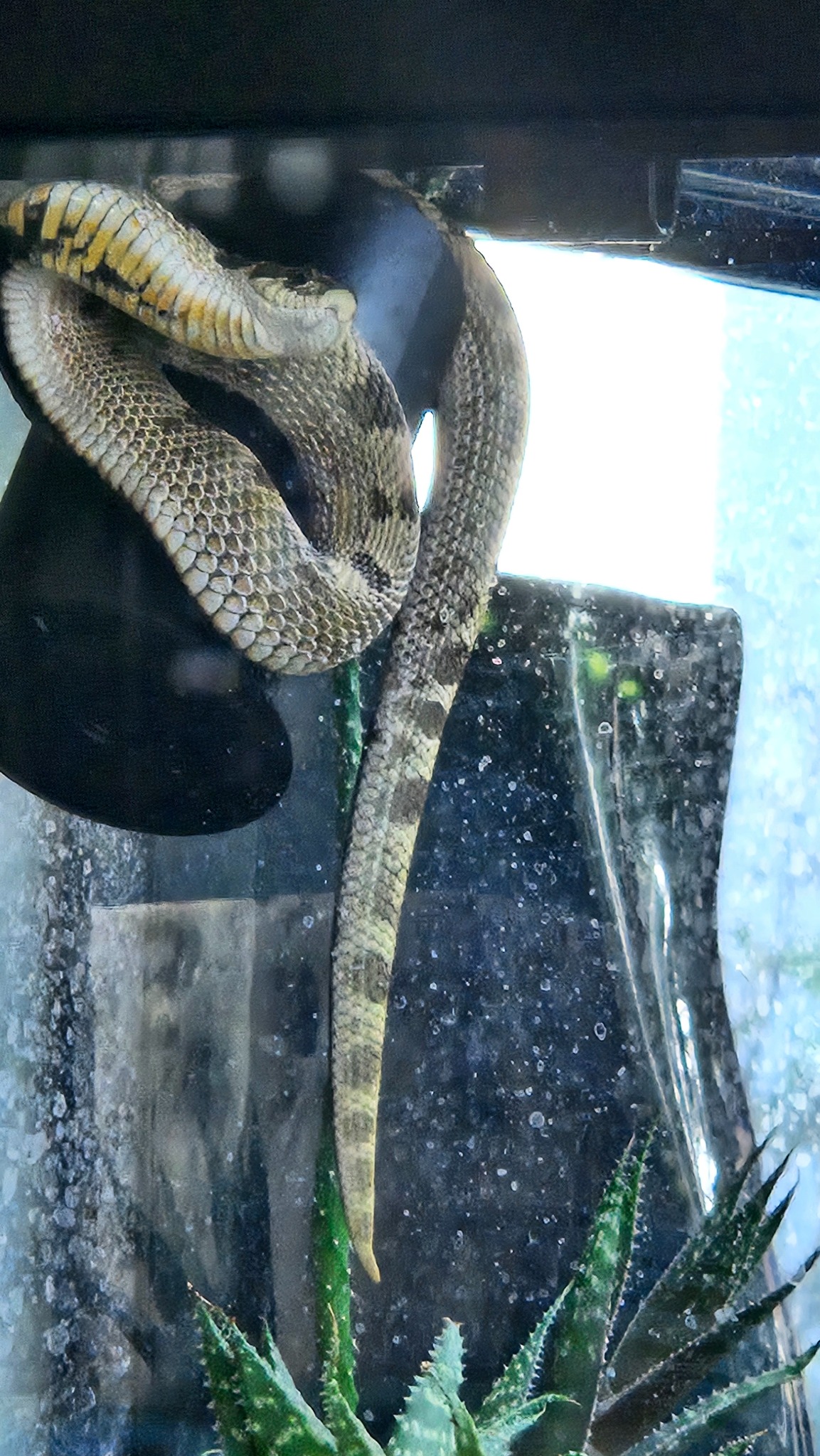
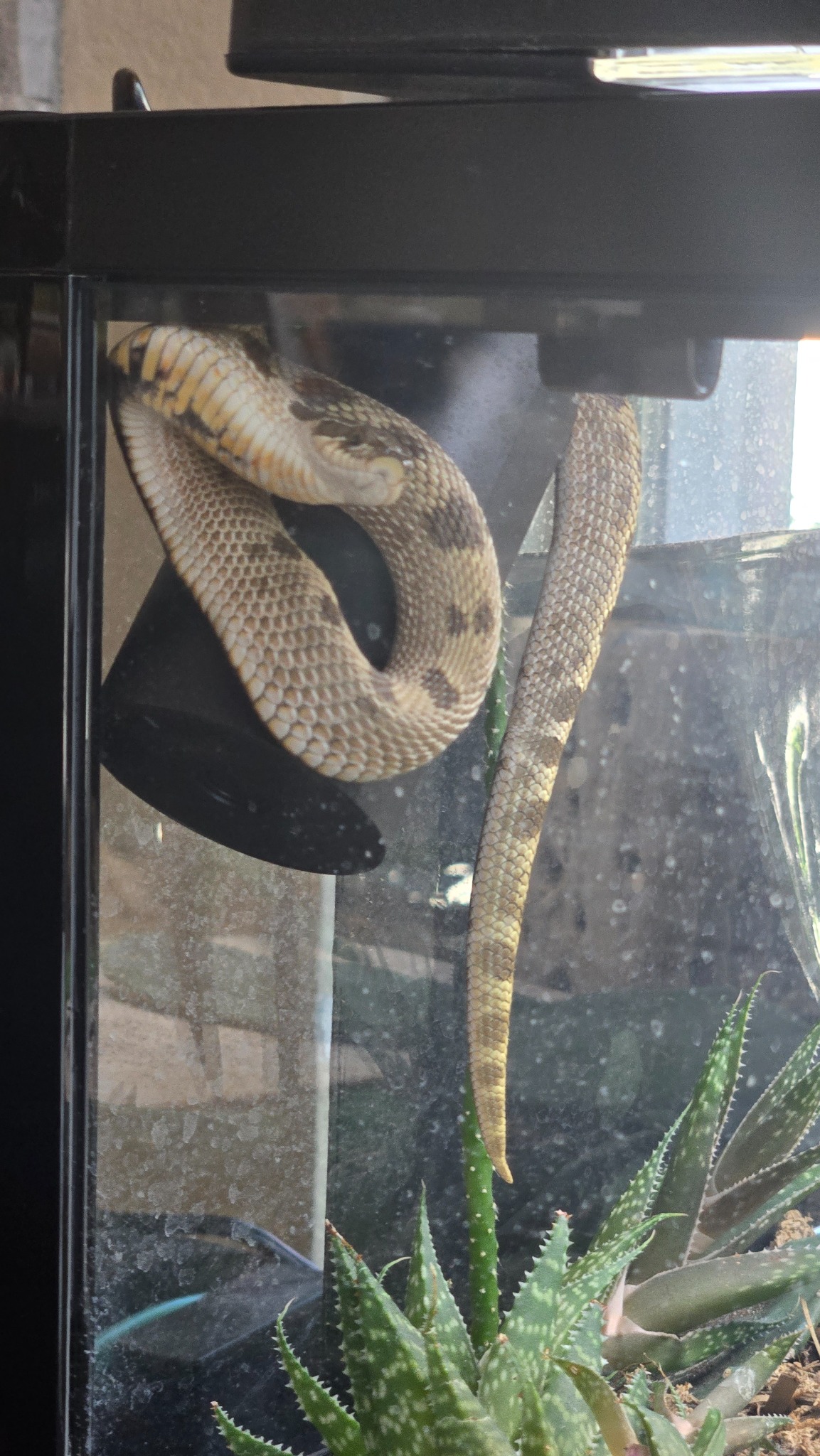
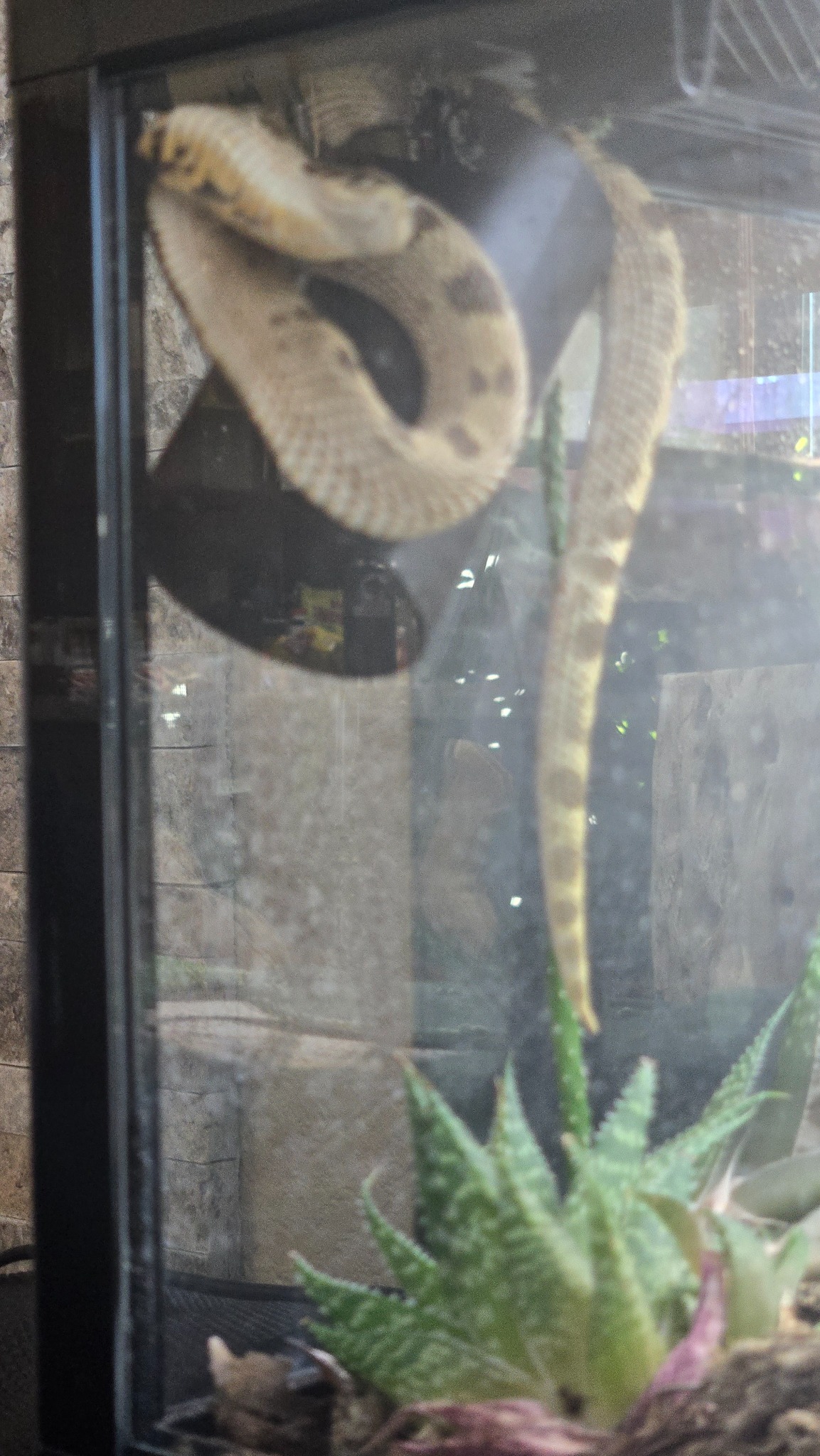
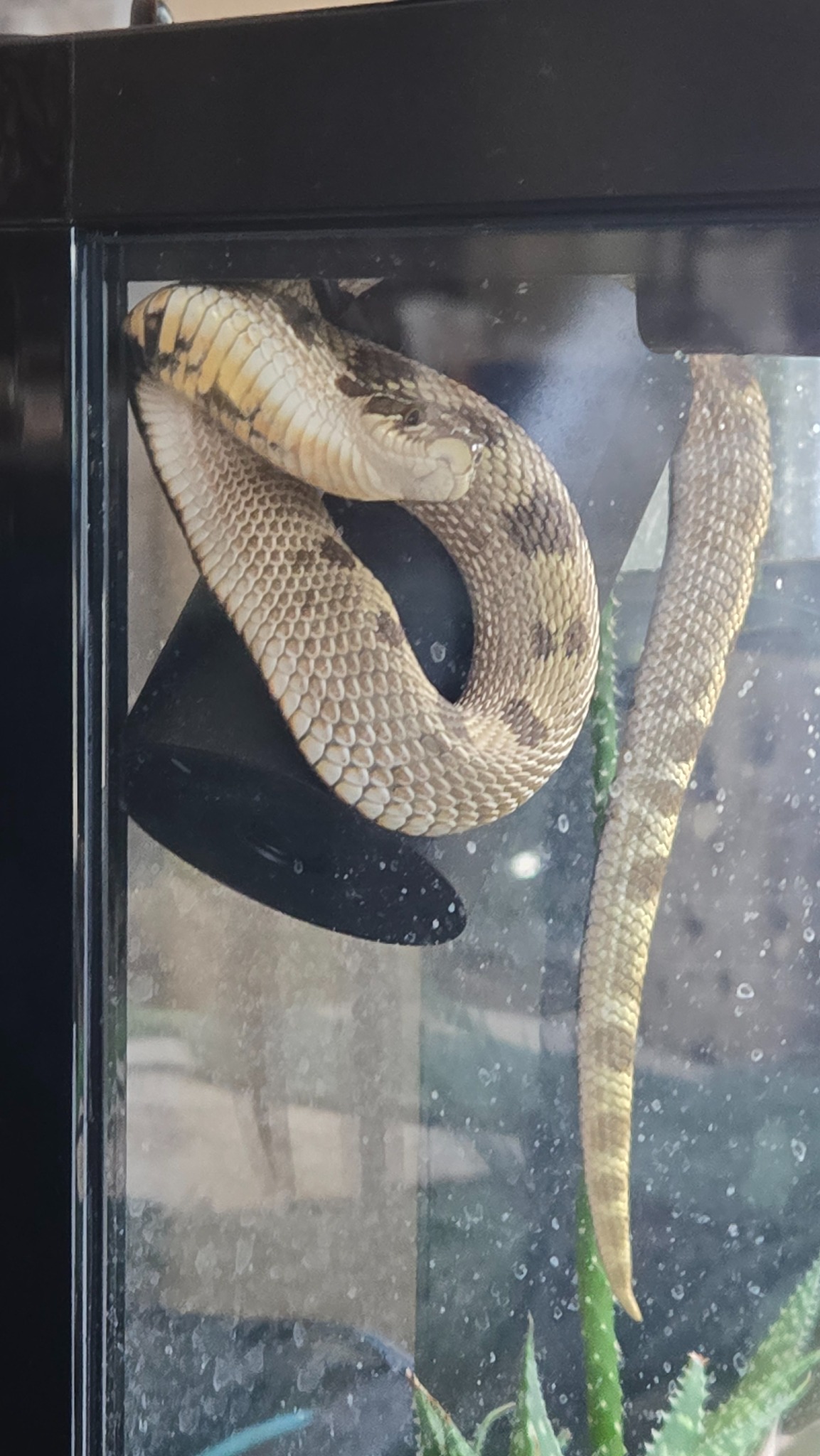
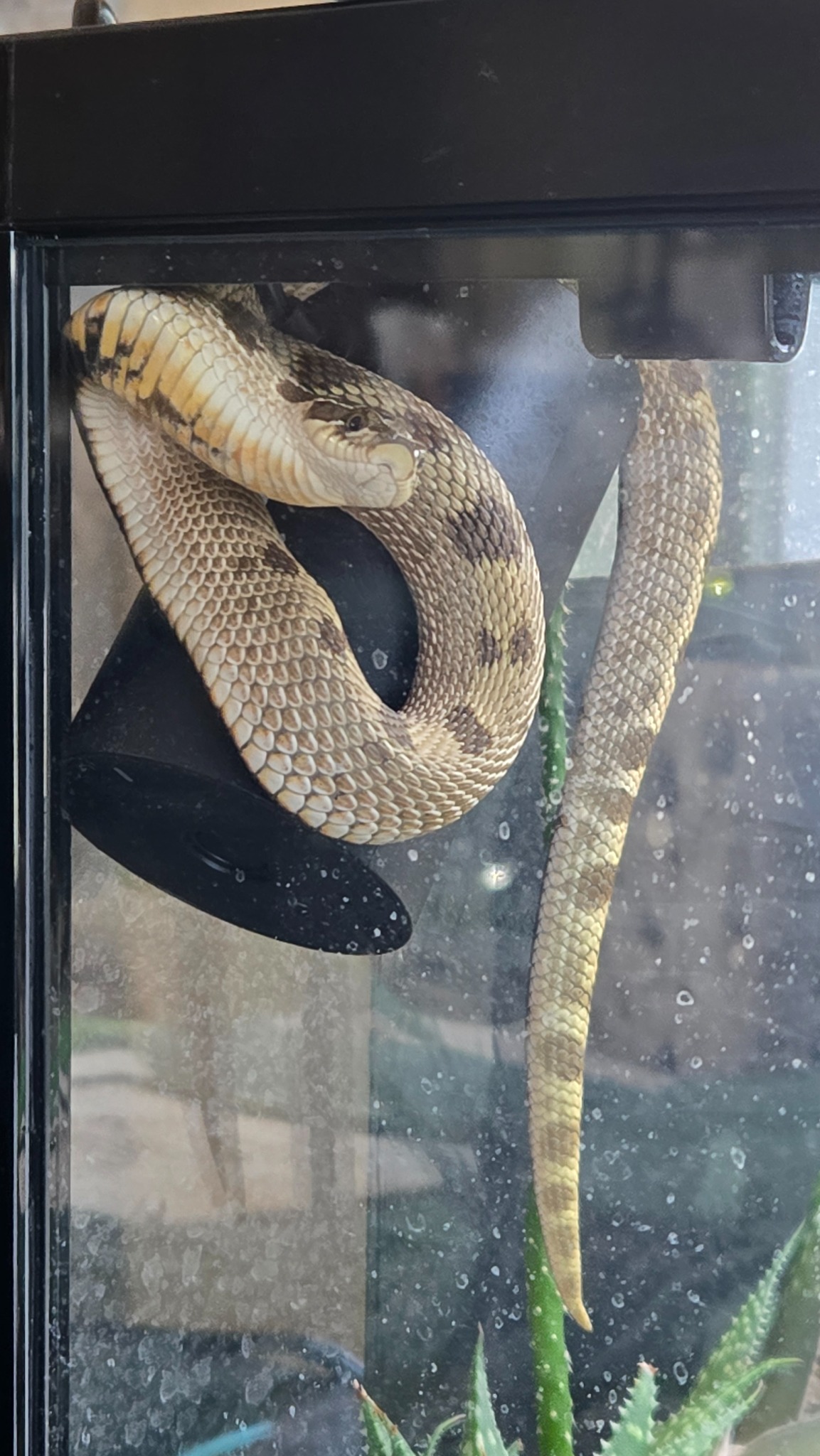
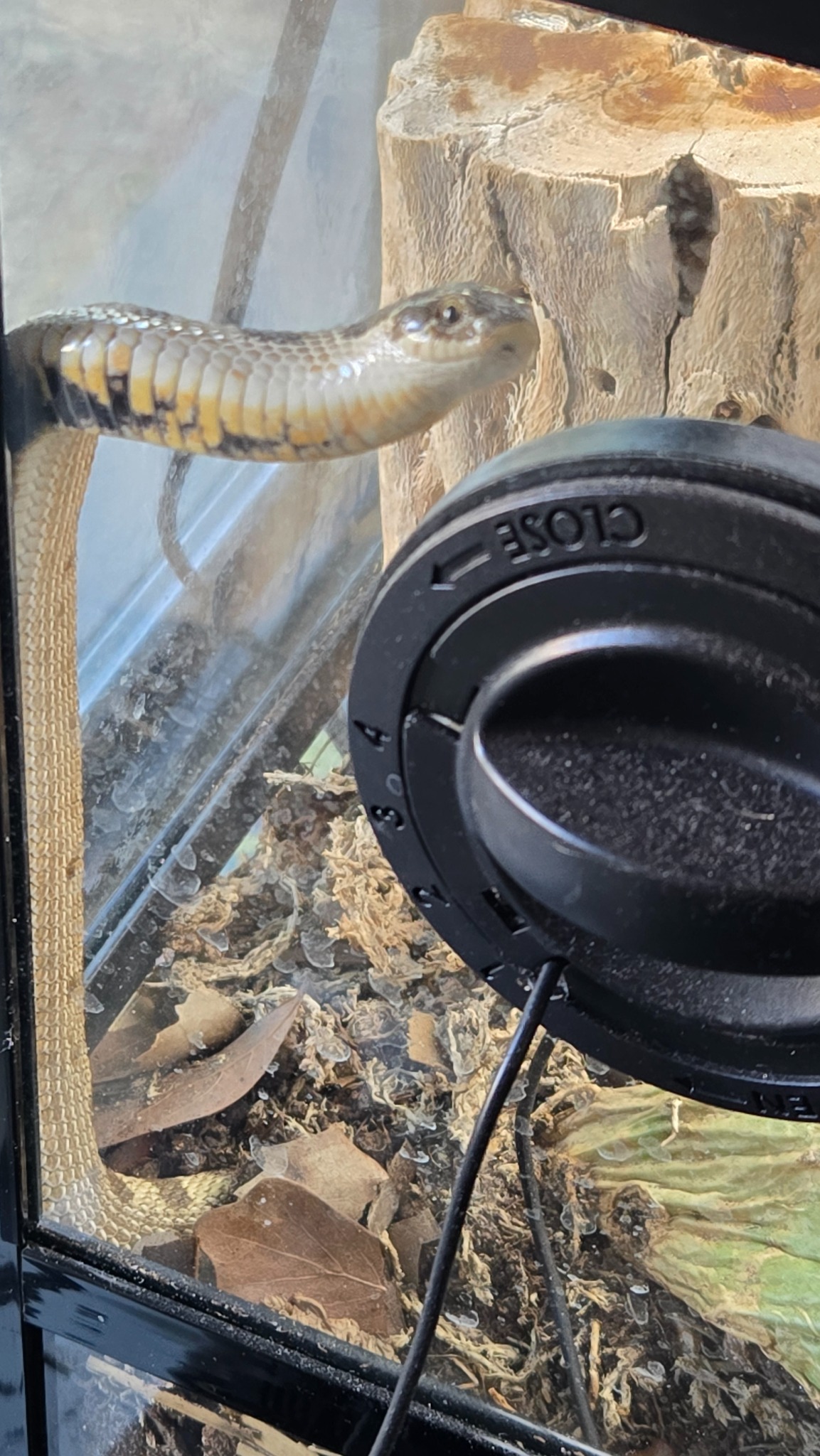
Koki Von Derpington is our family’s Western hognose snake—and the rightful heir to the noble House of Von Derpington.
He has the shovel-shaped nose, curious nature, and spectacular flair for drama that make hognoses unforgettable. This is his corner of the internet: part family album, part species guide, and part record of where his story began.
A very particular little snake
That famous upturned snout acts like a tiny shovel, helping hognoses move through loose soil and leaf litter.
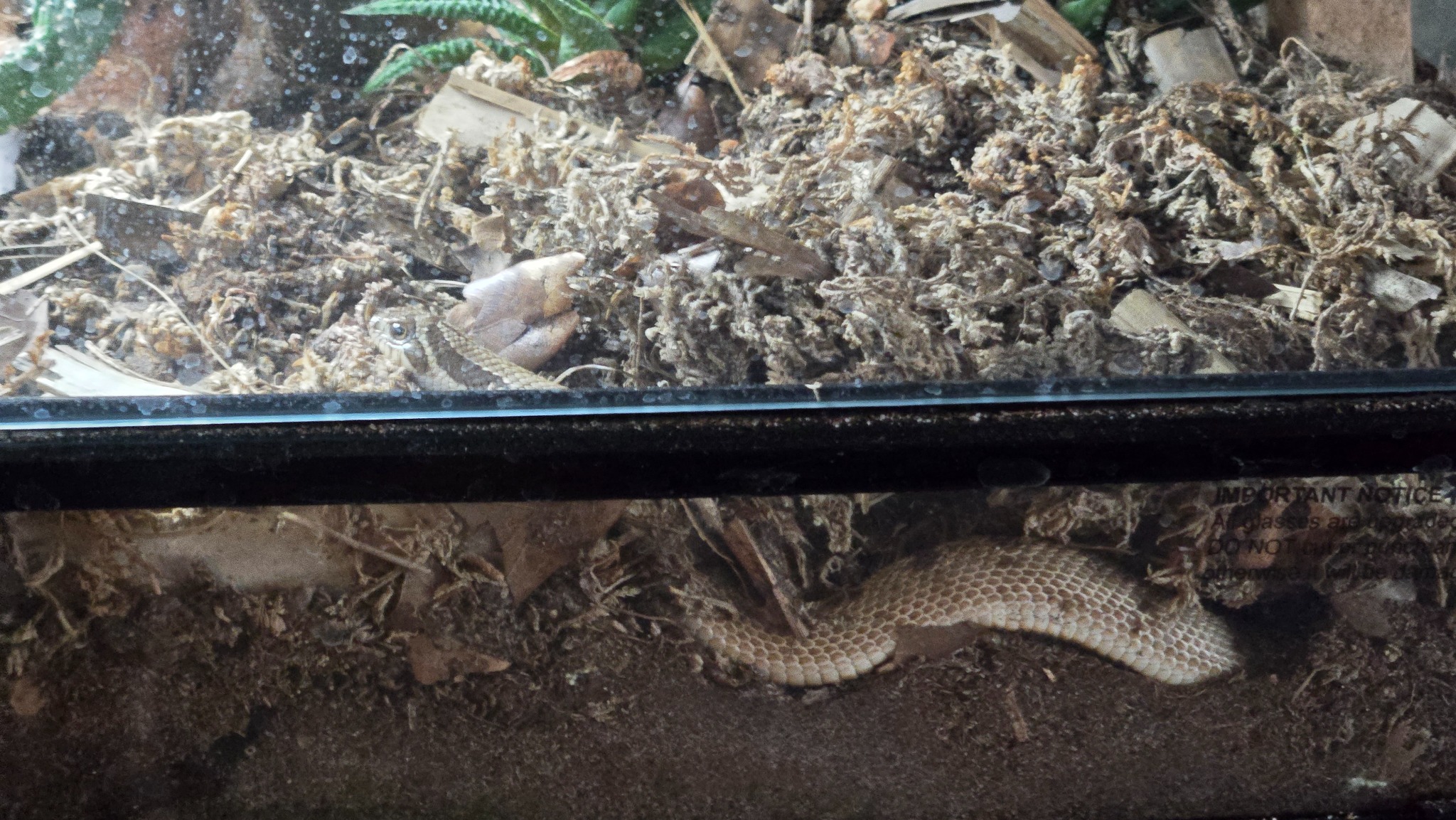
Western hognoses are generally active during the day and spend plenty of time tunneling beneath their substrate.
When worried, they may flatten their neck, hiss, bluff-strike, or even play dead. It is defensive drama, not villainy.
They are rear-fanged and mildly venomous. Bites are uncommon, but handling should always be calm and responsible.
Range & habitat
Western hognoses are native to central North America, from southern Canada through the United States into northern Mexico. They favor prairies, grasslands, scrub, river floodplains, and semi-desert country—especially places with loose, sandy or gravelly soil.
Form & function
The name nasicus refers to the nose. Koki’s upturned rostral scale is specialized for digging, while his sturdy body and keeled scales help him push through soil and disappear beneath the surface.
Wild diet
Wild Western hognoses feed heavily on toads and frogs, along with small reptiles and occasional rodents. Their rear teeth and modified saliva help them handle slippery, defensive prey. Pet diets are different and should follow experienced veterinary guidance.
Defense
A worried hognose may flatten its neck, hiss, puff up, or launch a closed-mouth bluff strike. If the performance fails, it may roll over and play dead. The display is meant to avoid a fight.
Life cycle
Females lay thin-shelled eggs in summer. Reported clutches range from four to twenty-three eggs, with hatchlings emerging at roughly five to nine inches long after about two months of incubation.
Conservation
The species is classified as Least Concern across its broad range, though individual populations can still be affected by habitat loss, roads, collection, and needless killing by people who mistake these harmless theatrics for aggression.
Species notes are educational, not veterinary advice. Individual care should be guided by an experienced reptile veterinarian.
Where the story began
Watch the Snake Discovery footage from Koki’s very beginning. The video starts at the moment his hatching story comes into view.
The family album
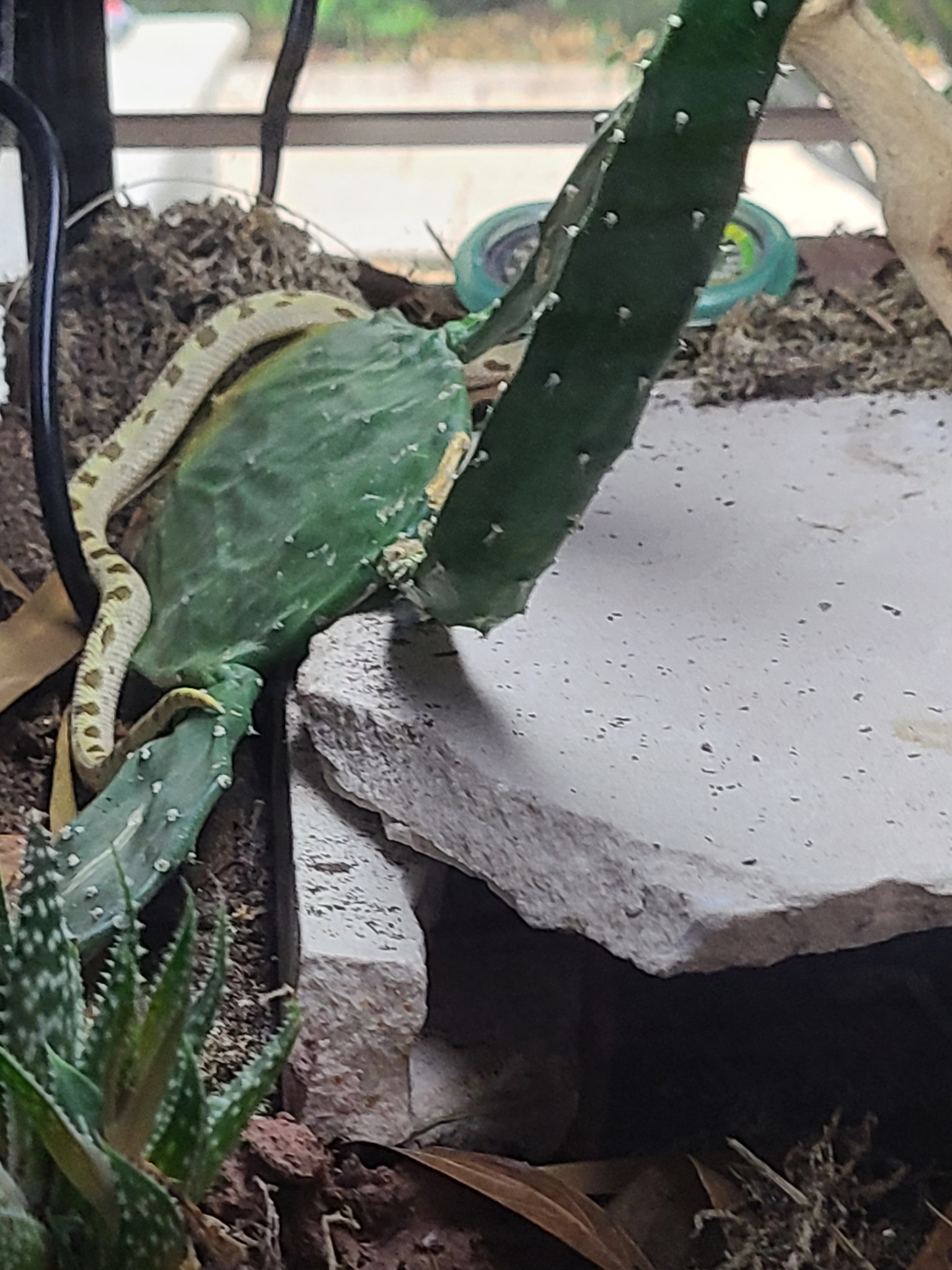
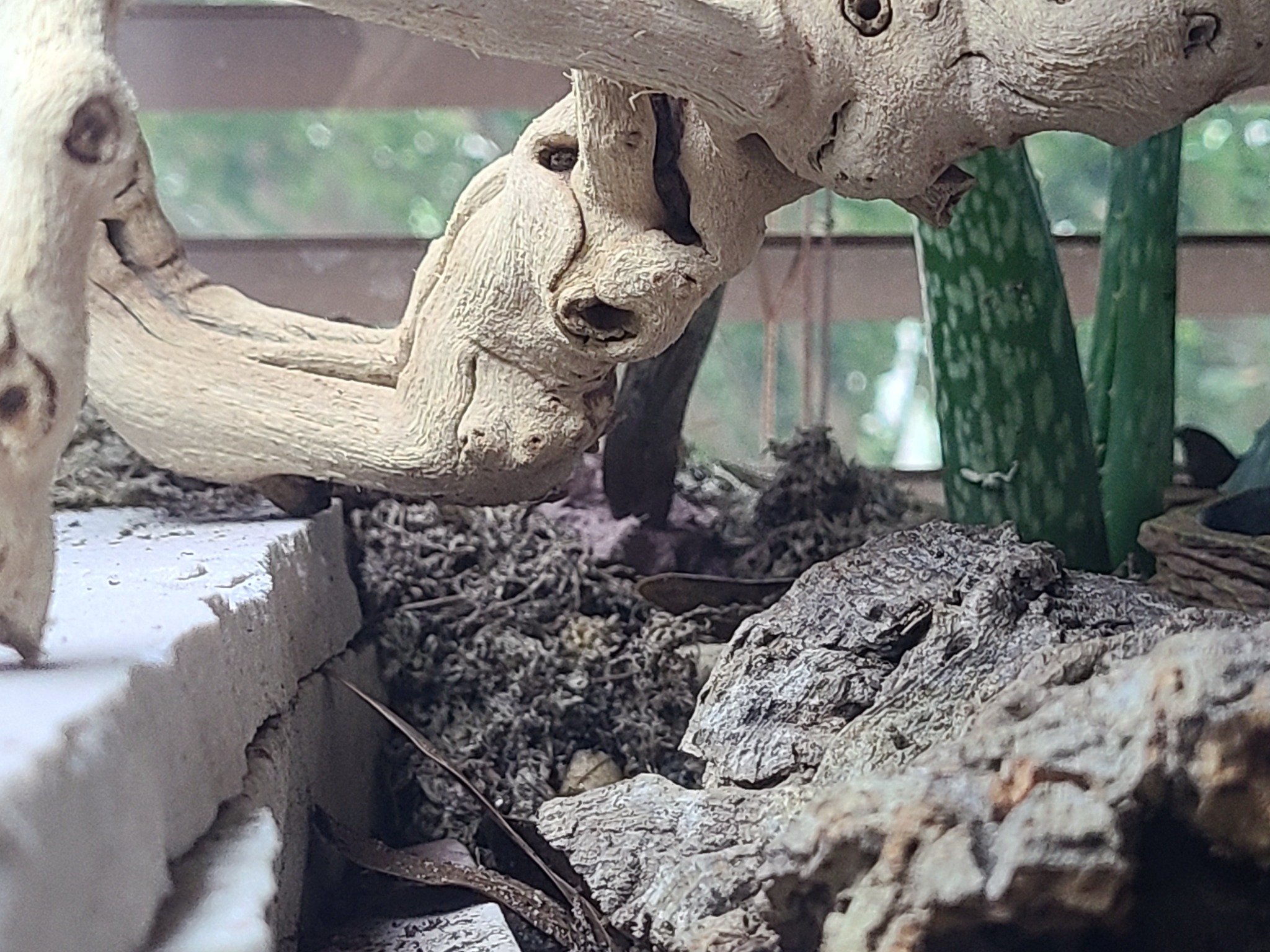
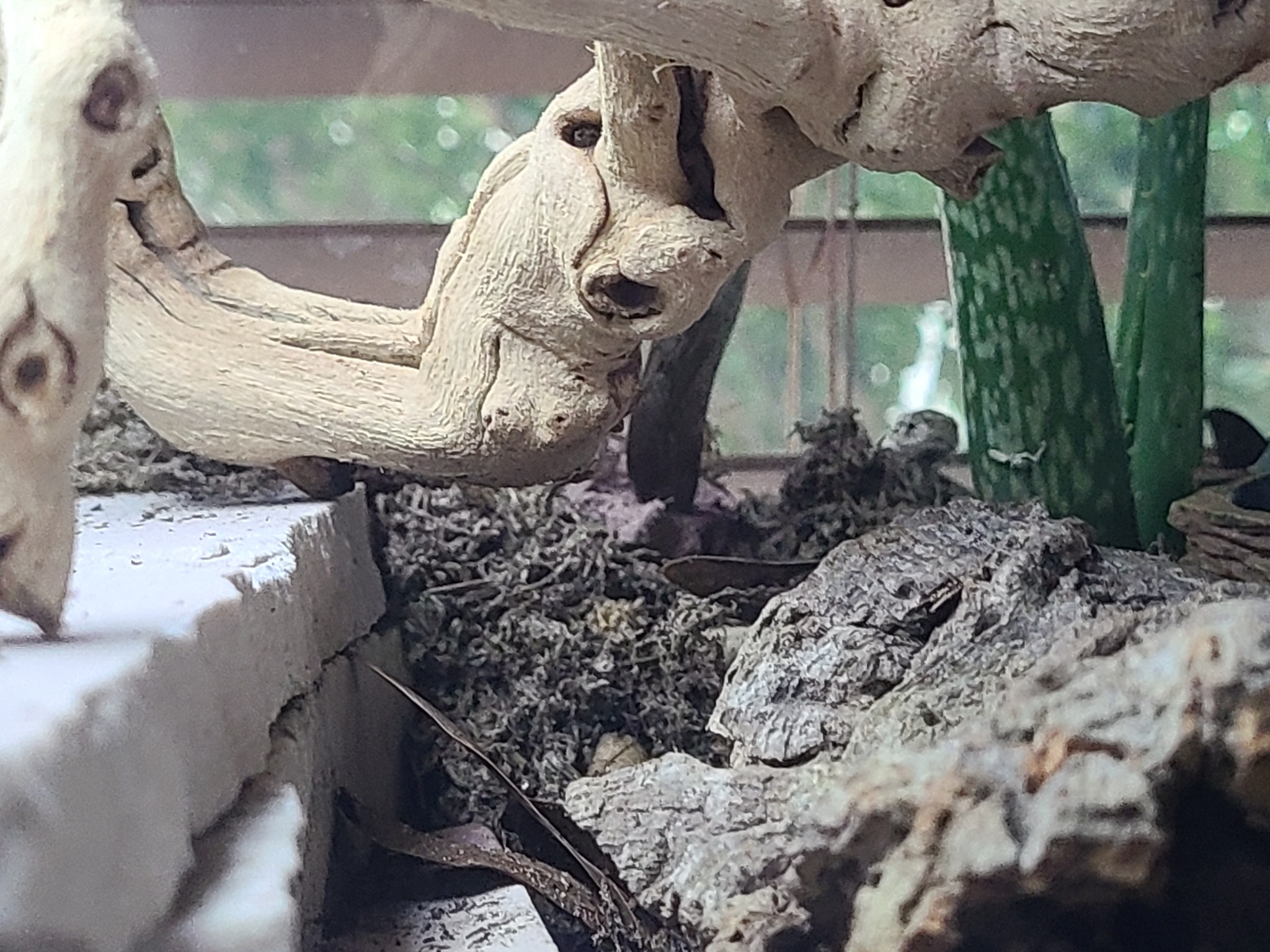
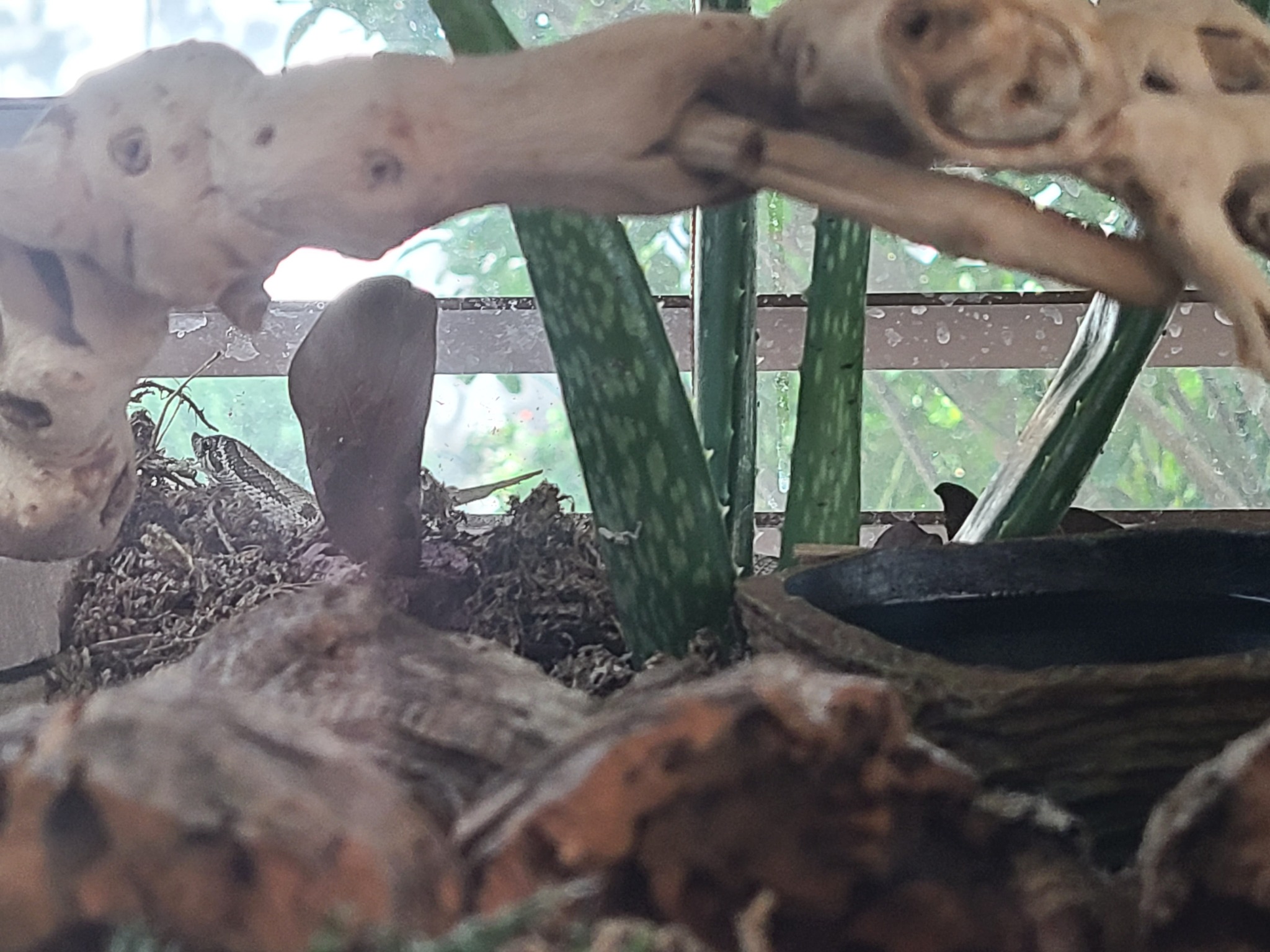
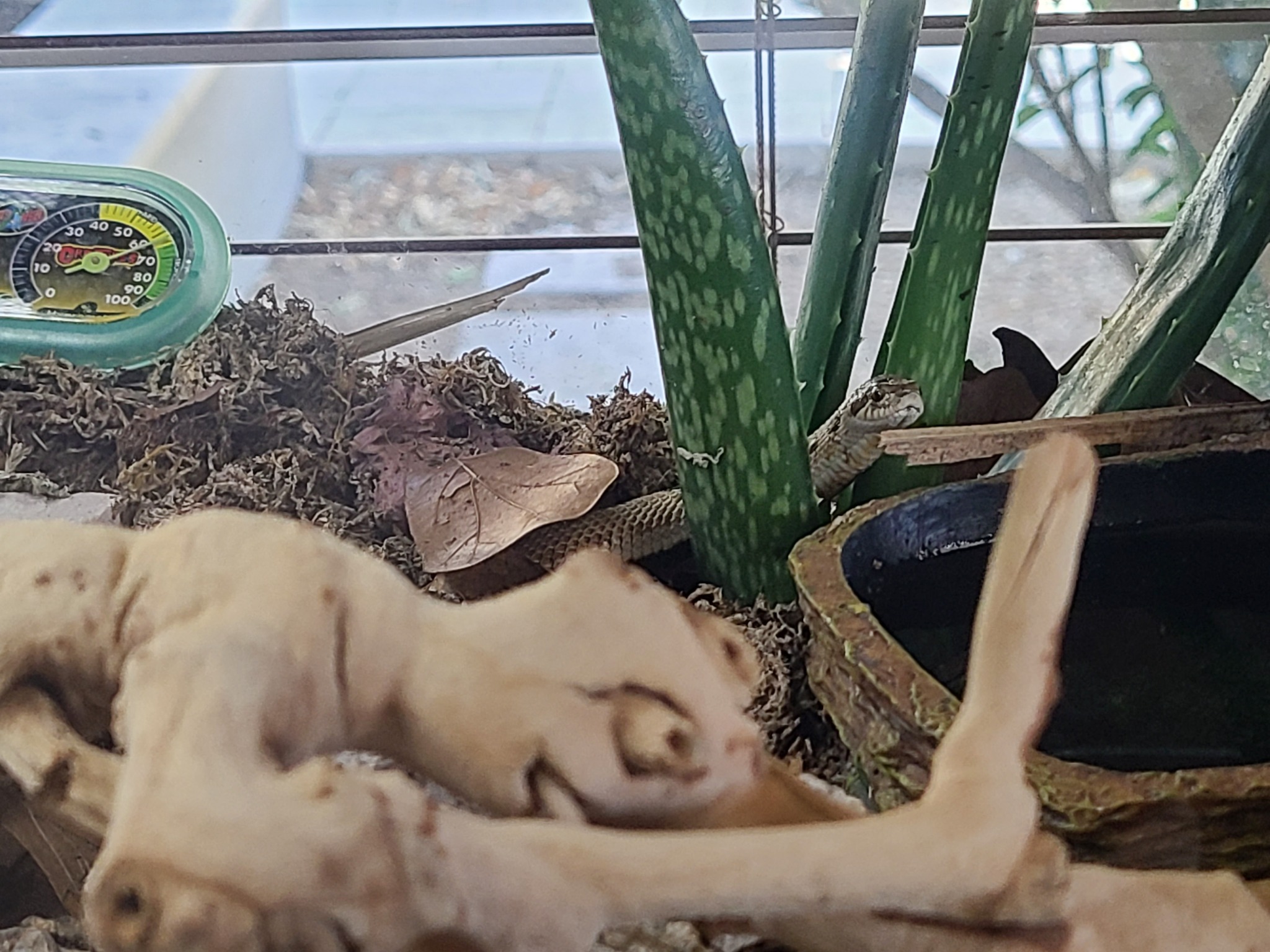
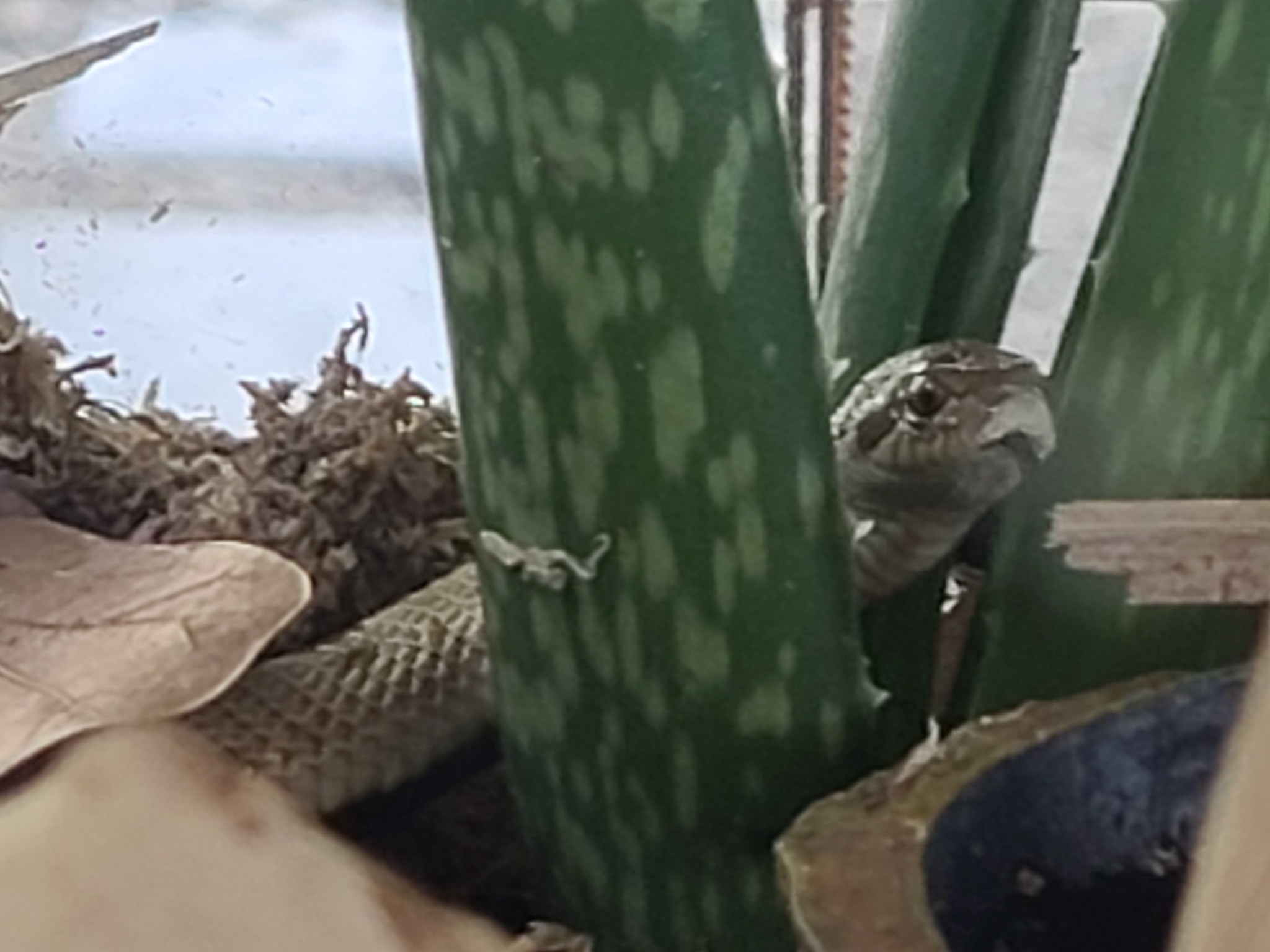
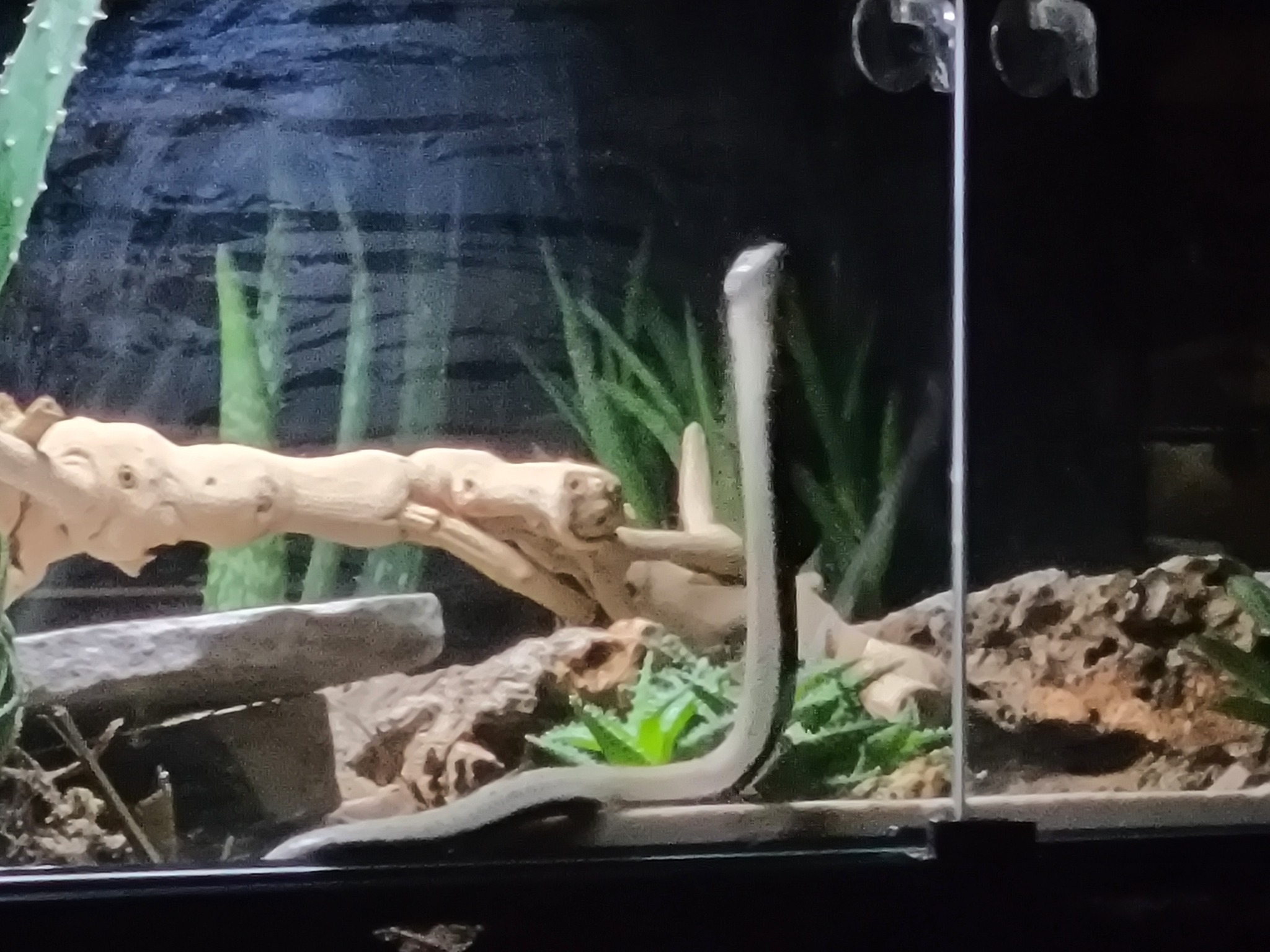
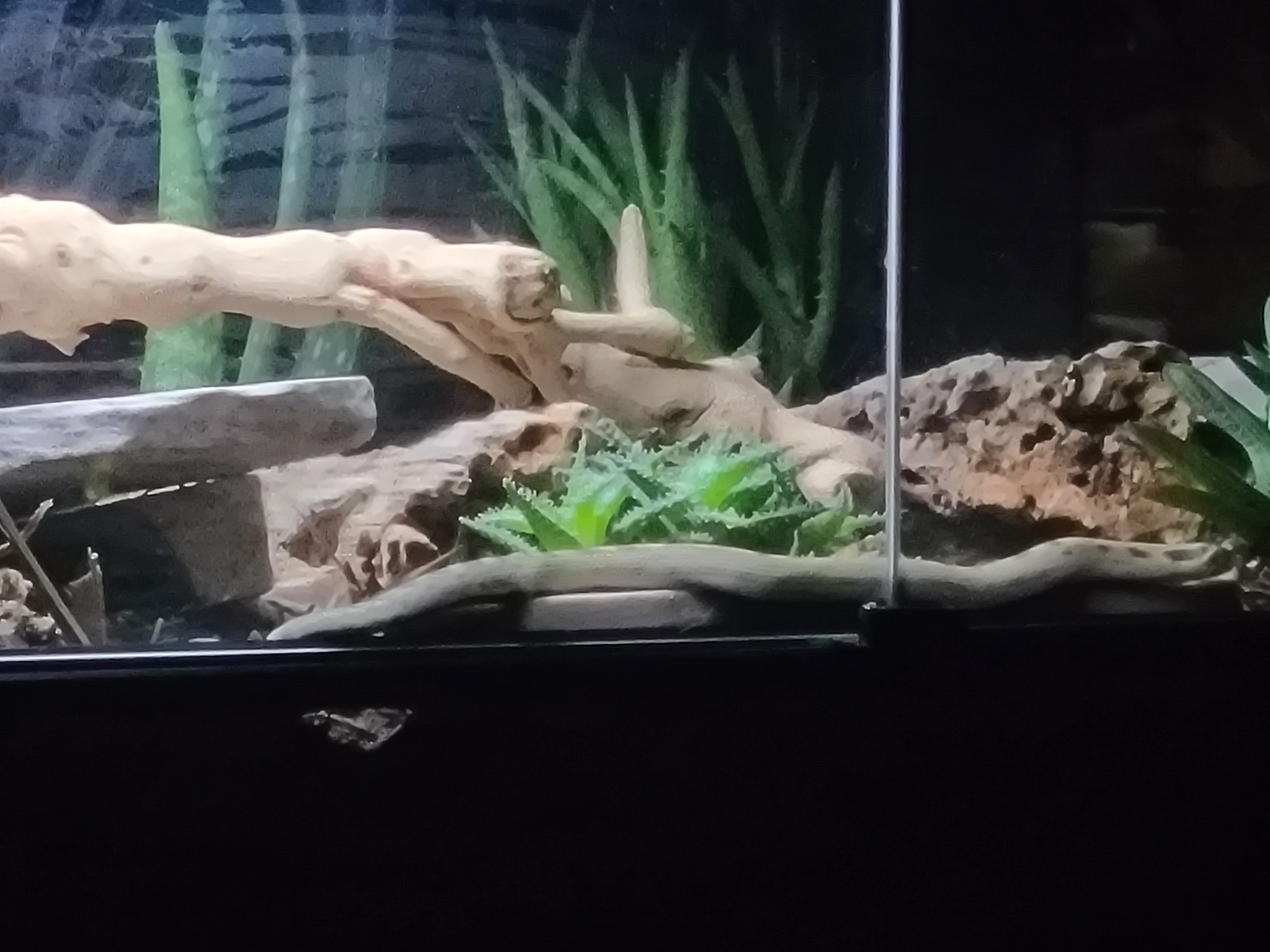
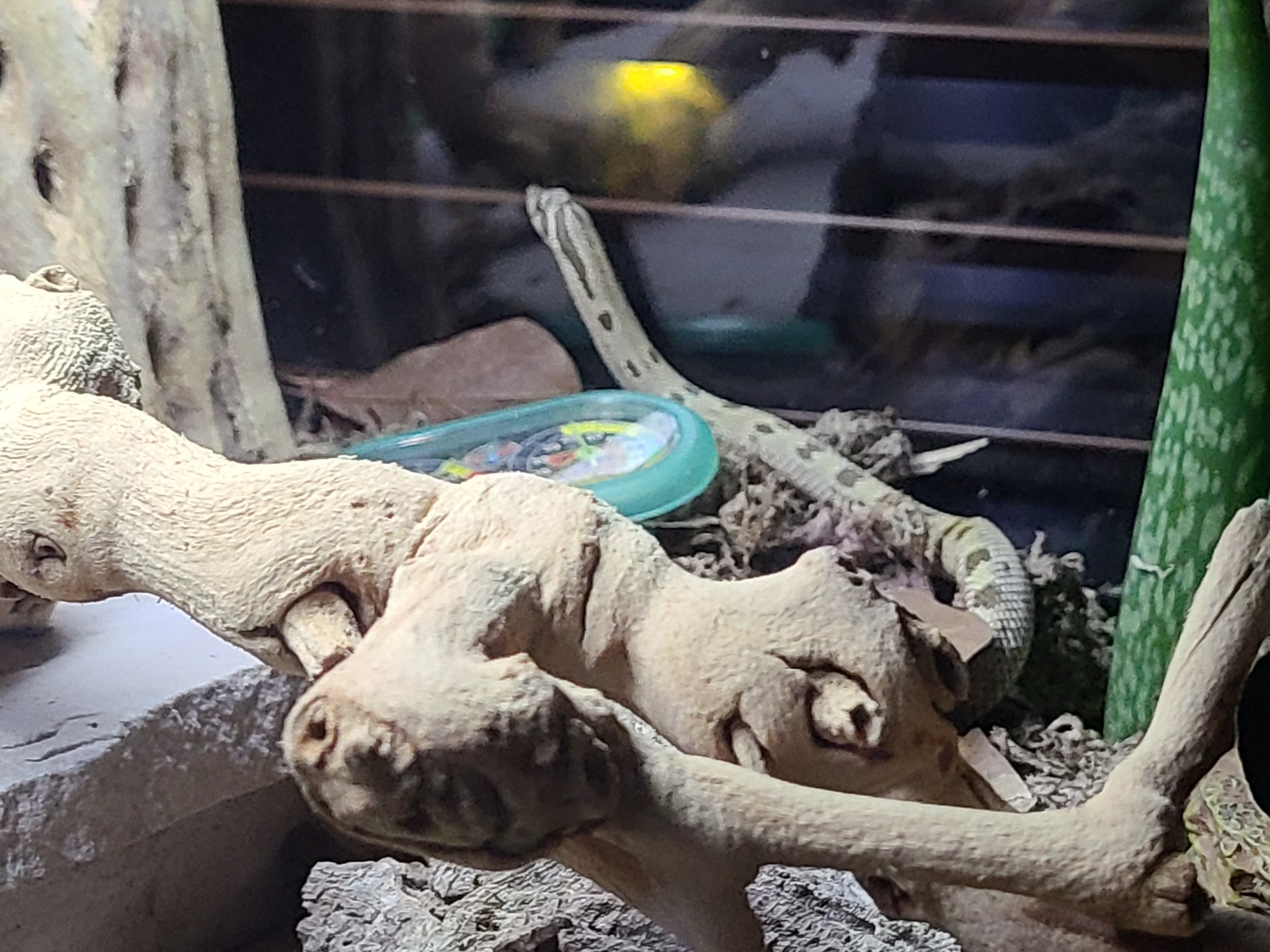
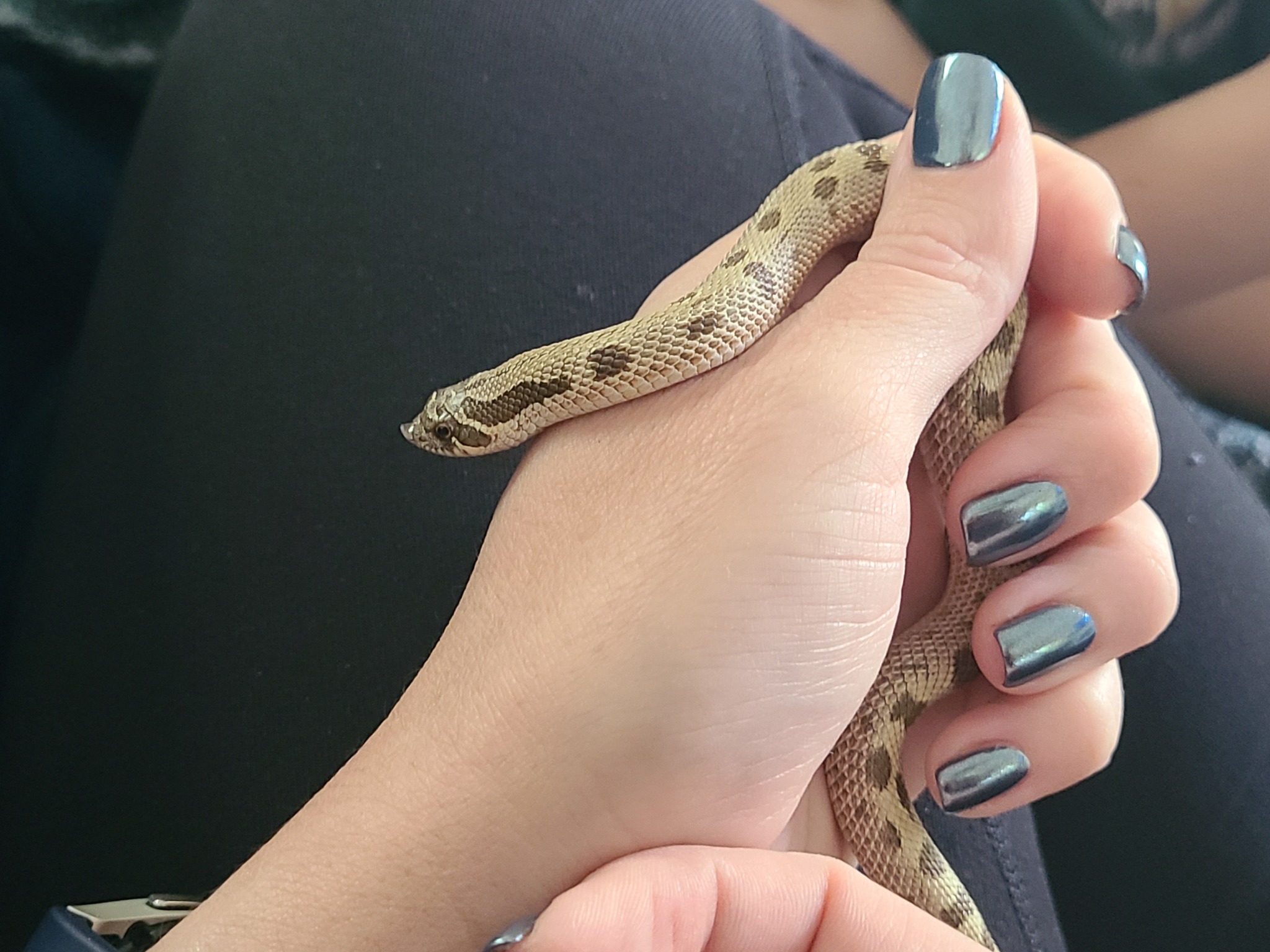
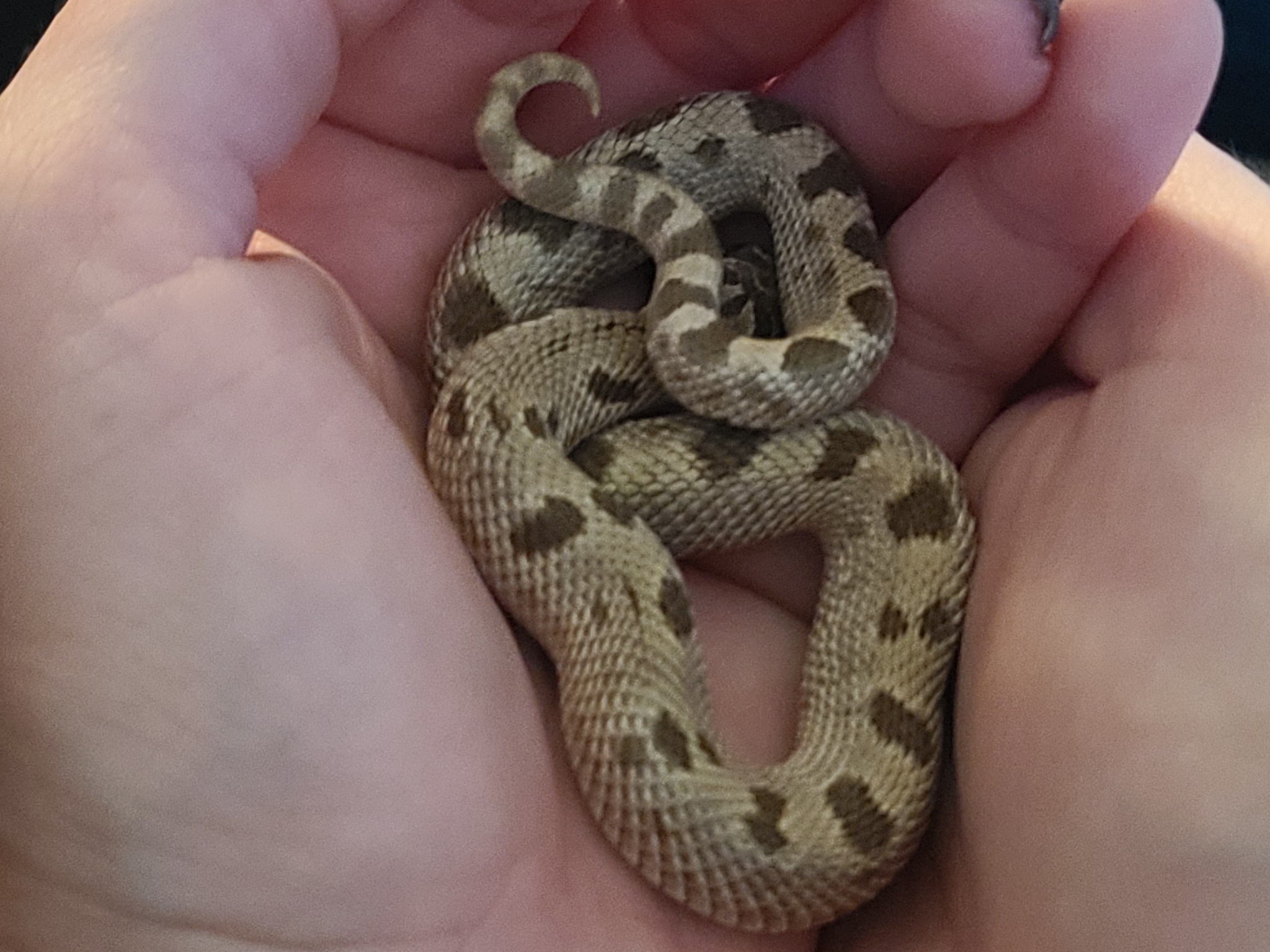
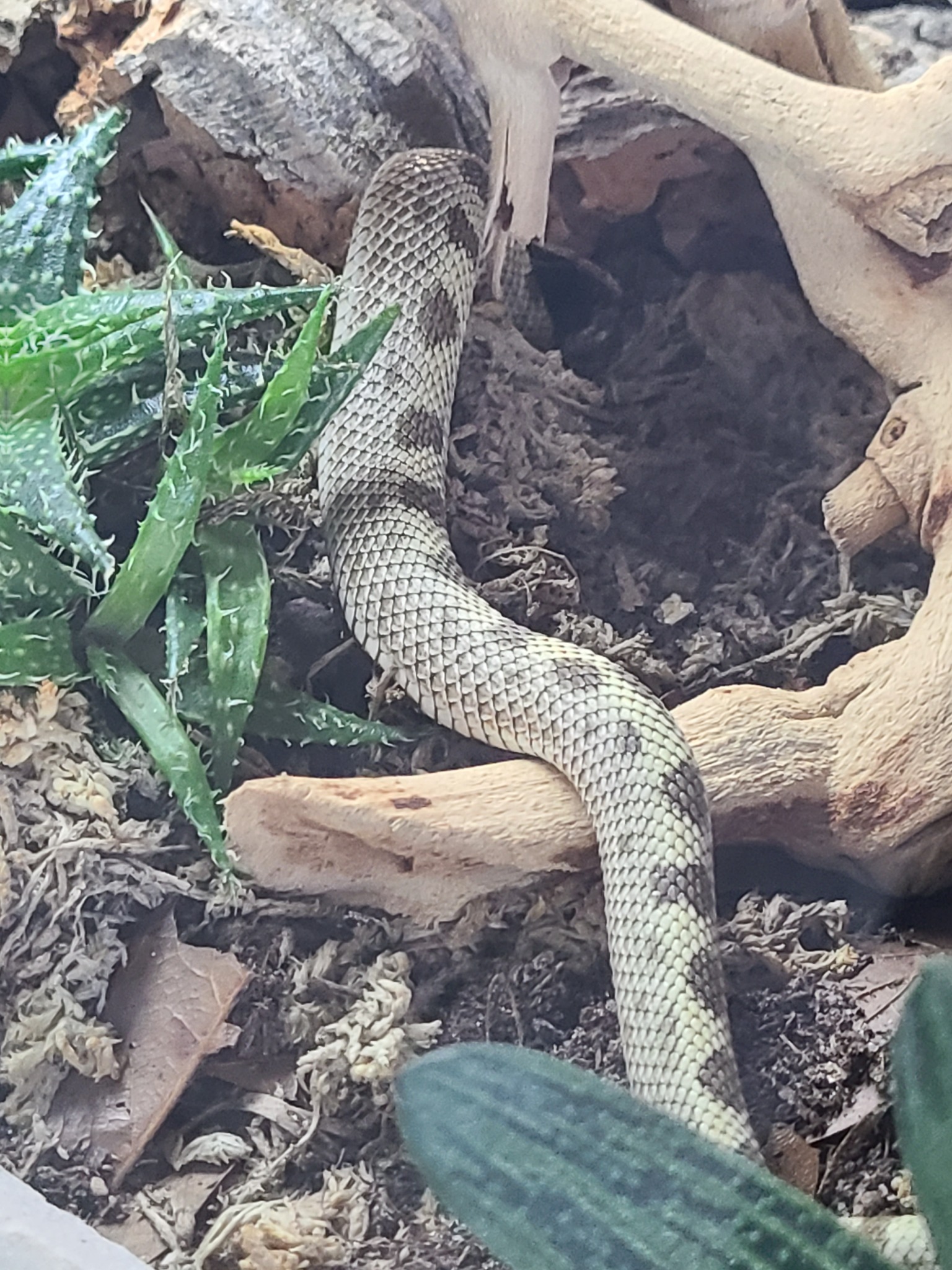
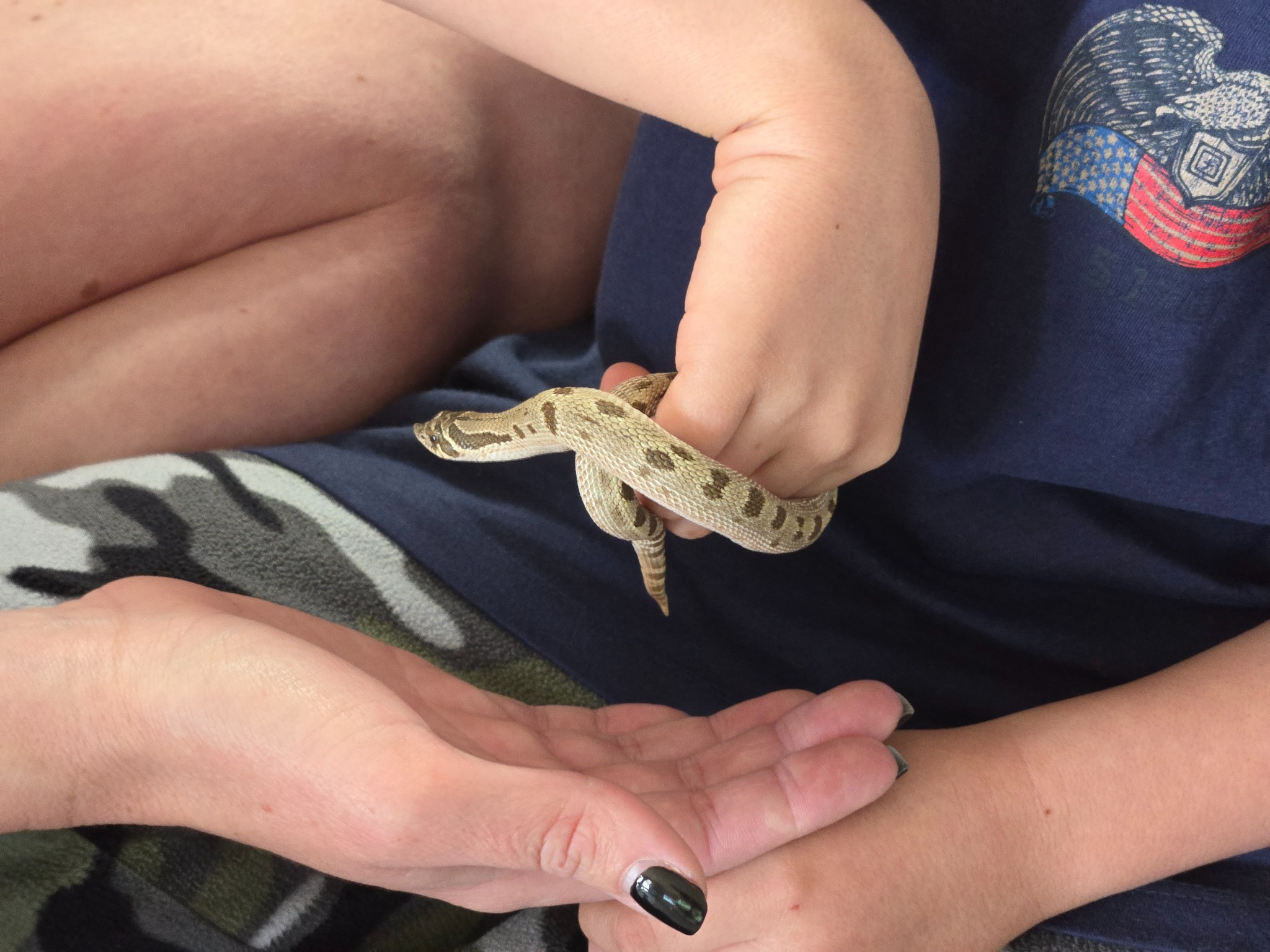
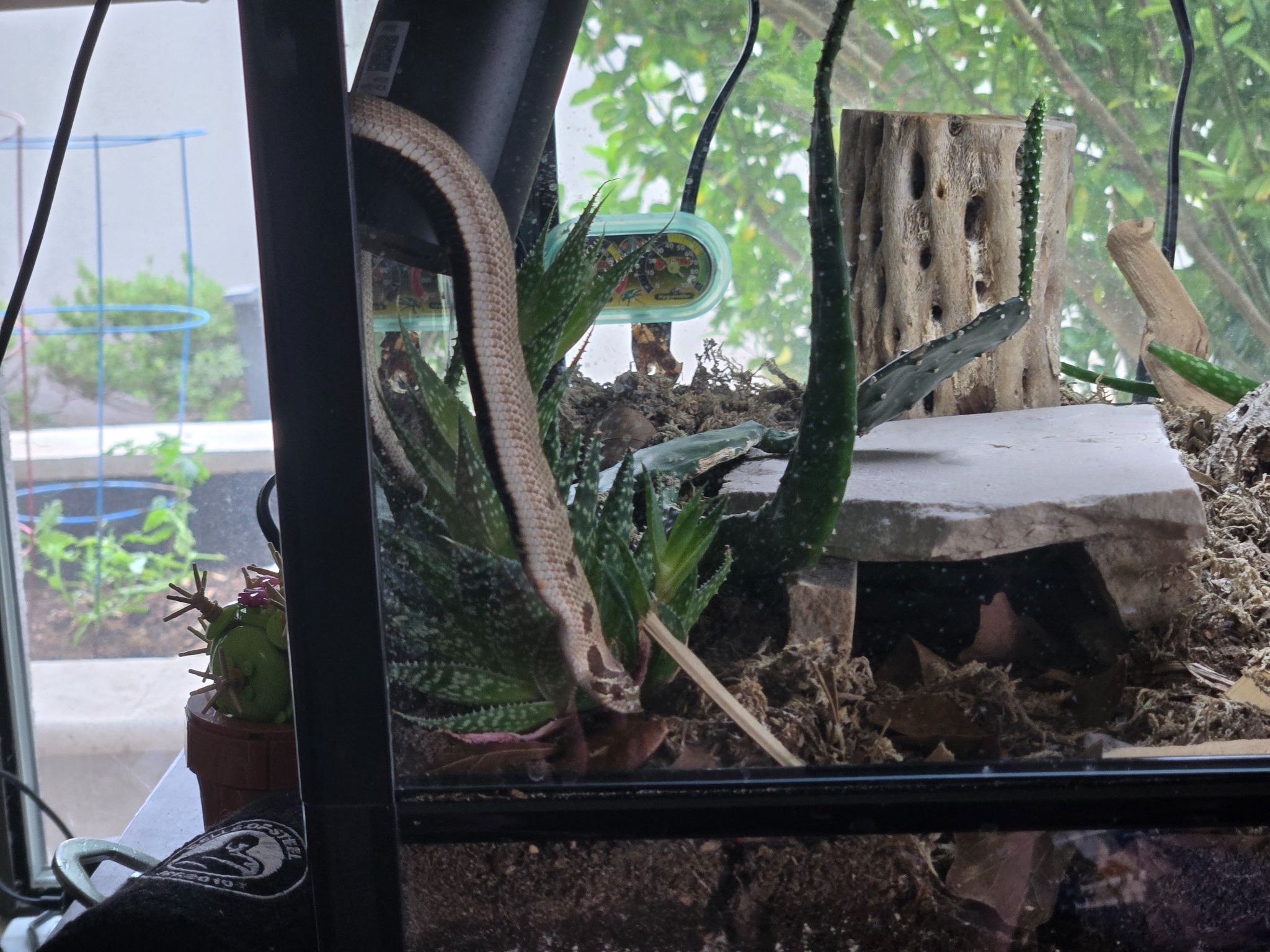
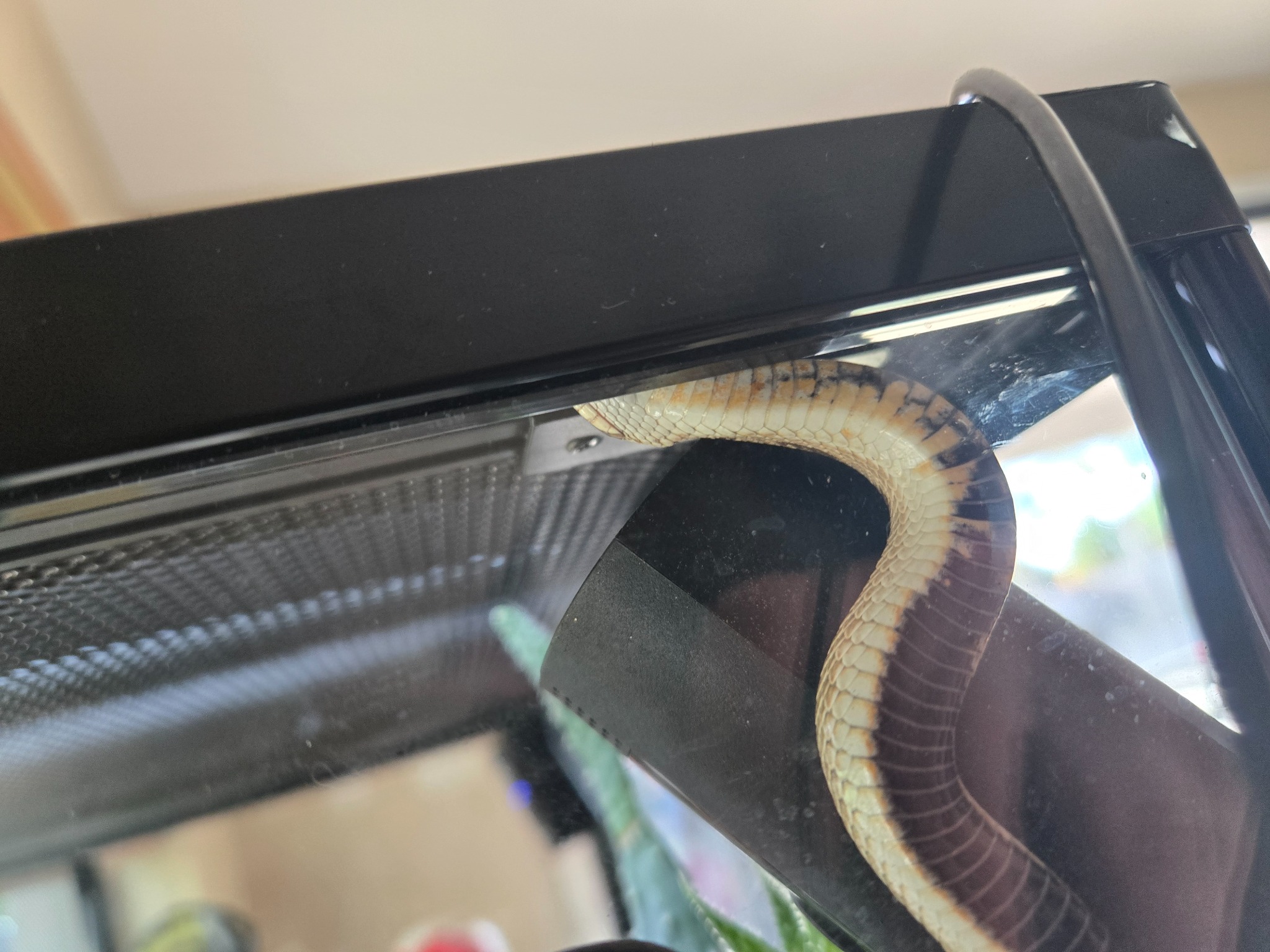
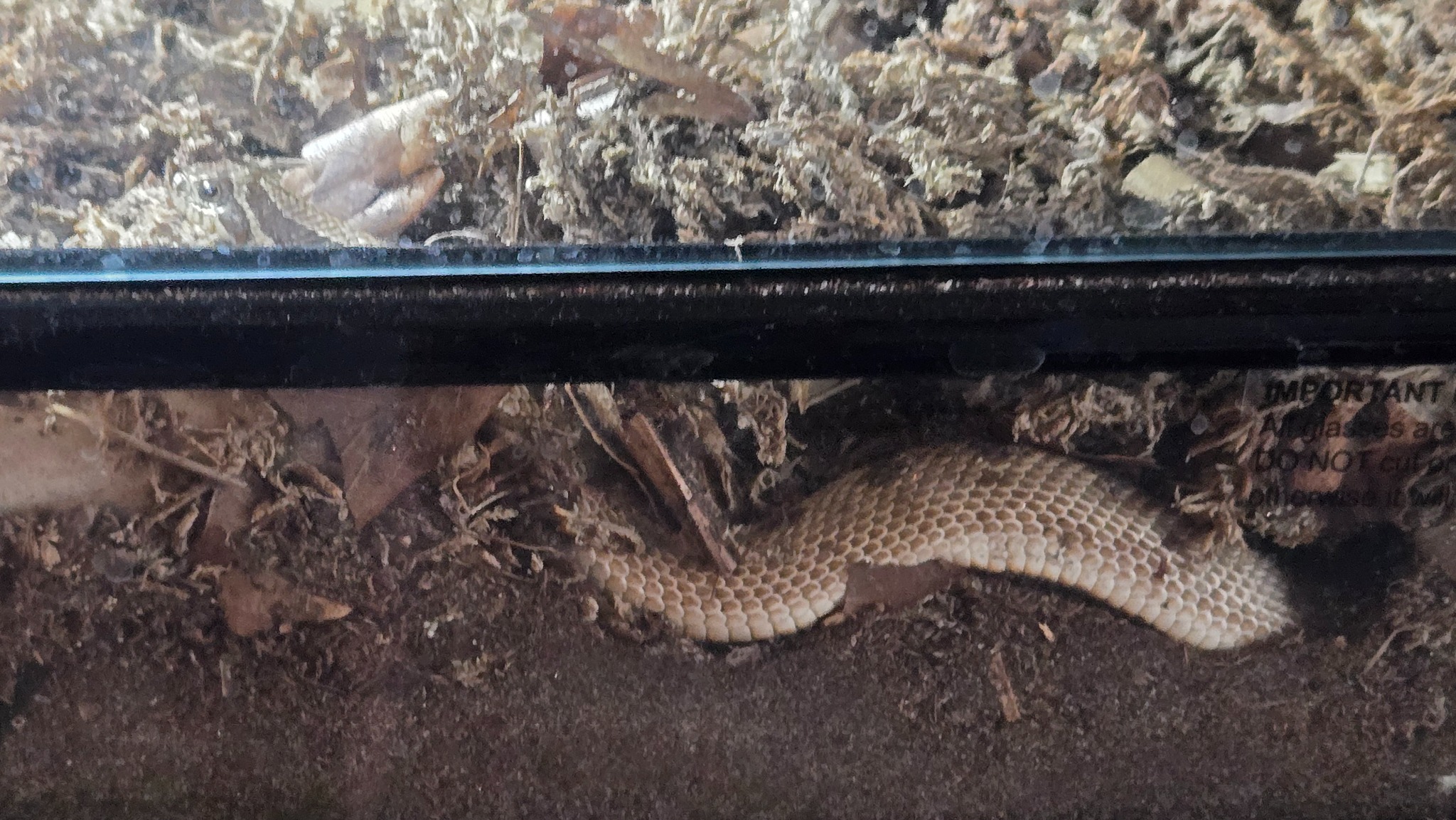
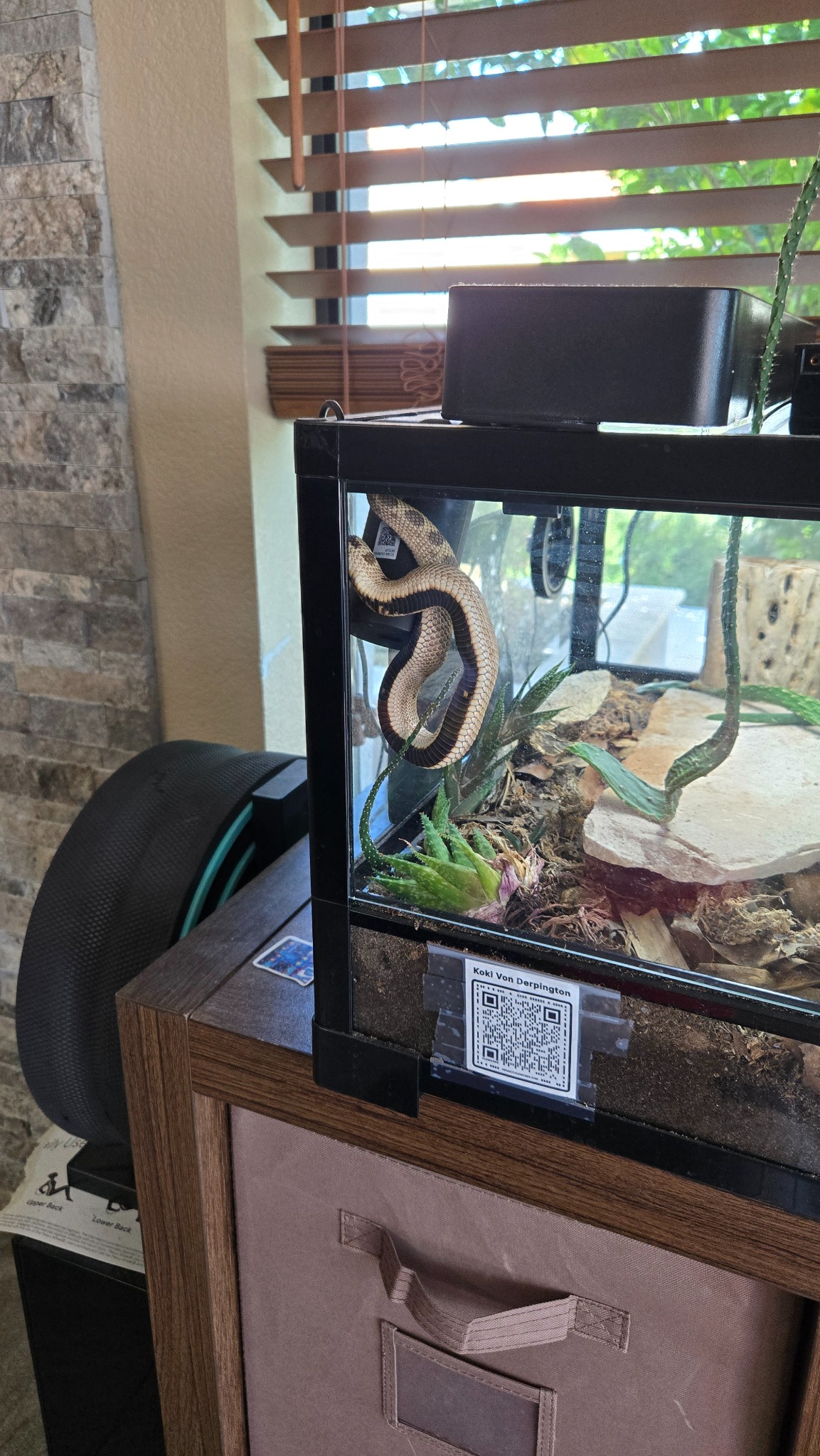
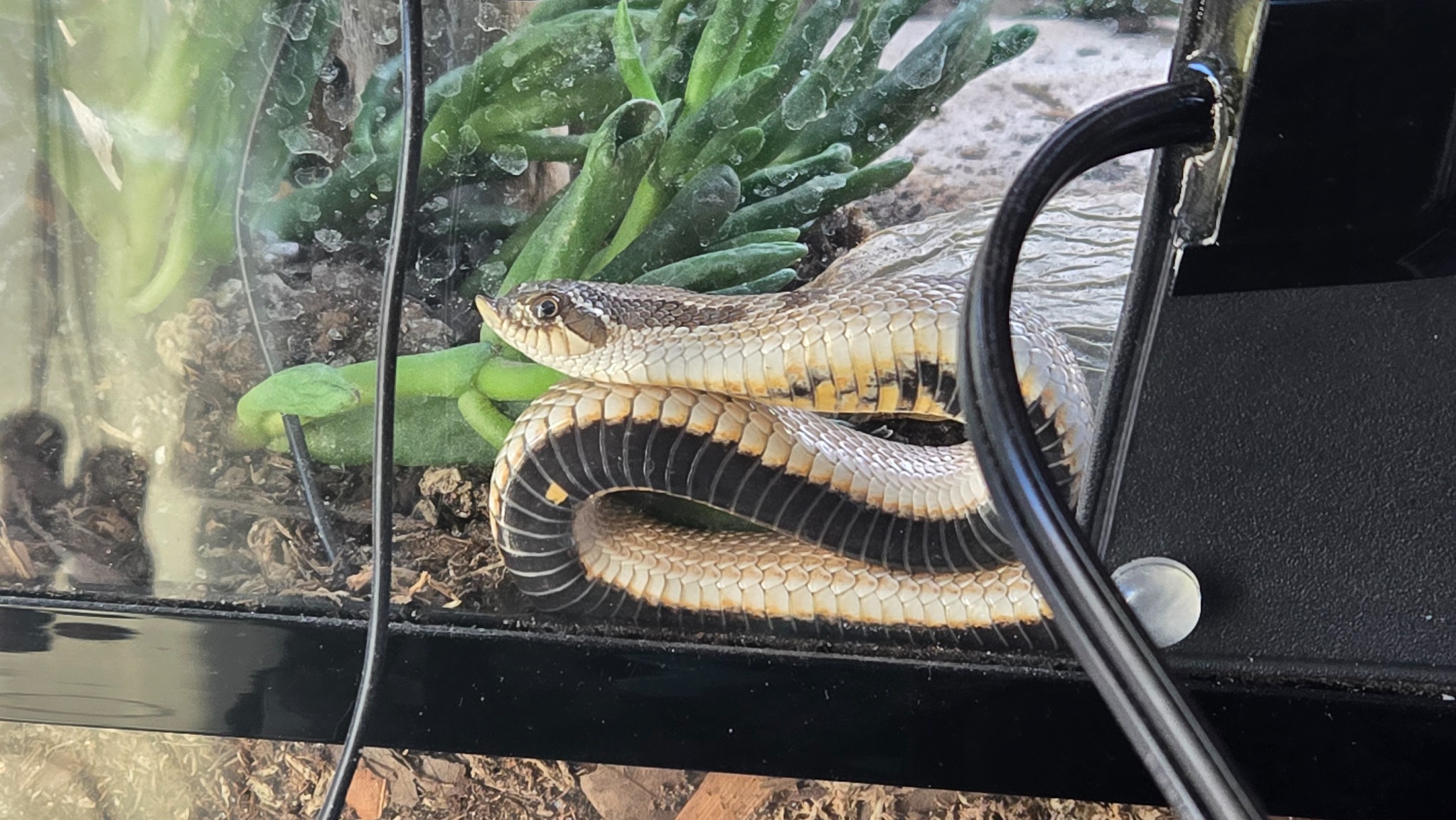
From a tiny handful of scales to master of his carefully appointed kingdom—a family record of Koki growing up.
“Small snake.
Big title.”
— The House of Von Derpington